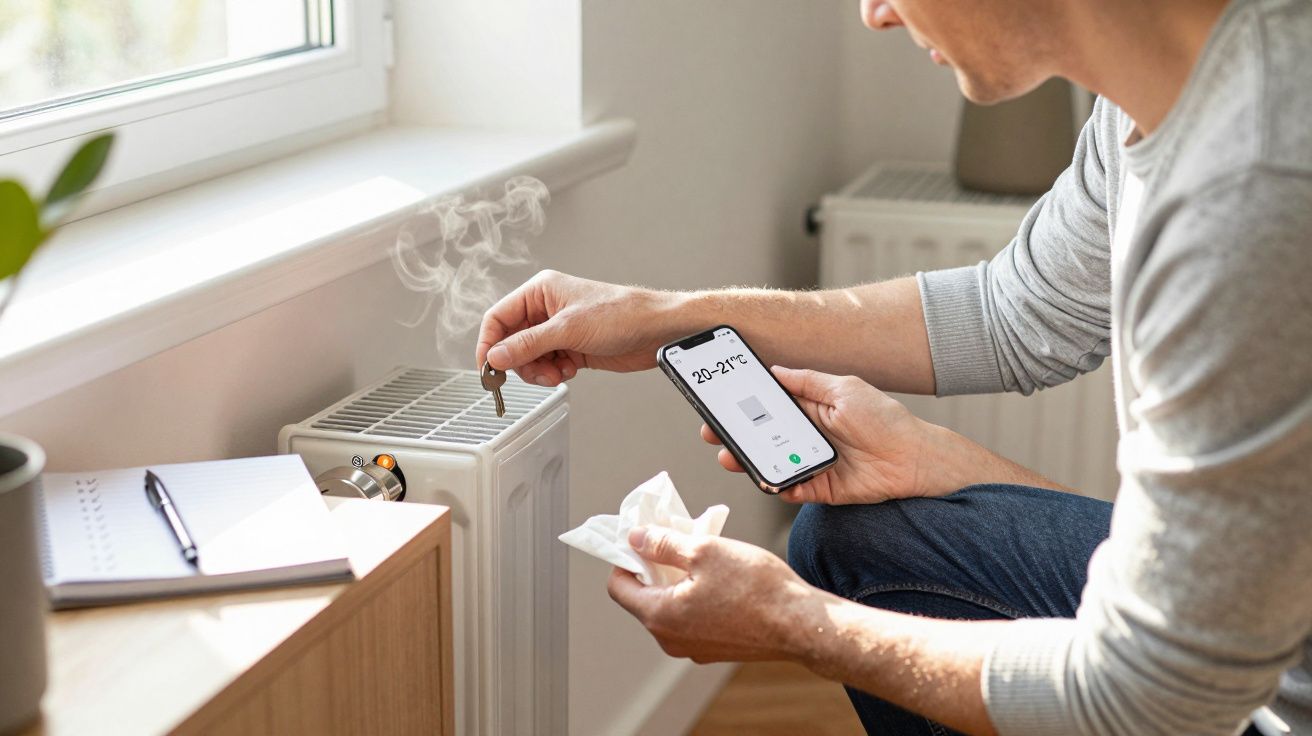
You book the installer, pay the invoice, and wait for the moment your home finally feels “sorted”. Then the first week after heating improvements, it can feel oddly off - a room that used to be cosy seems cooler, radiators hiss, and the boiler appears to run longer. A big part of this is system rebalancing: the whole house is learning a new rhythm, and you’re noticing it because comfort is personal and immediate.
The awkward truth is that upgrades often make problems visible before they make them disappear. What used to be masked by brute-force heat, over-hot radiators, or constant boiler cycling becomes harder to ignore once things get more efficient.
The upgrade didn’t fail - your baseline just changed
Most homes don’t start from “neutral”. They start from years of workarounds: the living room radiator cranked up to compensate for a draughty hall, a thermostat set high because one bedroom never warms up, a boiler that short-cycles because it’s oversized.
When you upgrade, you remove one workaround and expose the others. Better controls, a new heat pump, a modern condensing boiler, larger radiators, insulation, or smart TRVs can all change heat delivery so it’s steadier, gentler, and more distributed. That often feels less dramatic than the old blast of heat you were used to.
The first discomfort after an upgrade is often the moment your system becomes honest about where the heat actually goes.
“It feels colder, but the thermometer says it’s the same”
This is common, especially after insulation, draught-proofing, new glazing, or a control upgrade. Two things are happening:
- Lower peaks: the house may no longer overshoot to 23°C and then crash to 18°C. It sits at 20–21°C, which can feel “less toasty” even if it’s healthier and more stable.
- Less radiant heat from red-hot radiators: if radiators run at lower flow temperatures (common with heat pumps and weather compensation), they don’t feel scorching to the touch. Comfort shifts from “hot metal” to “even air and surfaces”.
If you relied on that quick hit of warmth, the new steady-state can feel underwhelming until you recalibrate expectations (and settings).
System rebalancing: why one room improves while another gets worse
Water-based heating is a network. Change one thing - pump speed, pipework resistance, radiator sizes, valves, or flow temperature - and the rest of the system responds.
System rebalancing is the process of making sure each radiator or zone gets the right share of heat at the right time. Without it, the nearest radiators can steal the flow while the farthest rooms lag, especially after upgrades that alter how the system modulates.
Typical “worse before better” signs
You might notice:
- One or two radiators get hot fast, while others stay lukewarm.
- Upstairs warms up but downstairs feels sluggish (or the reverse).
- The boiler runs longer but the house feels more even - then suddenly feels patchy.
- A previously “fine” room becomes the problem room.
These aren’t always faults. They’re often distribution issues that the old setup hid.
The small adjustments that make a big difference
Installers may need a return visit, and that’s normal. Useful tweaks include:
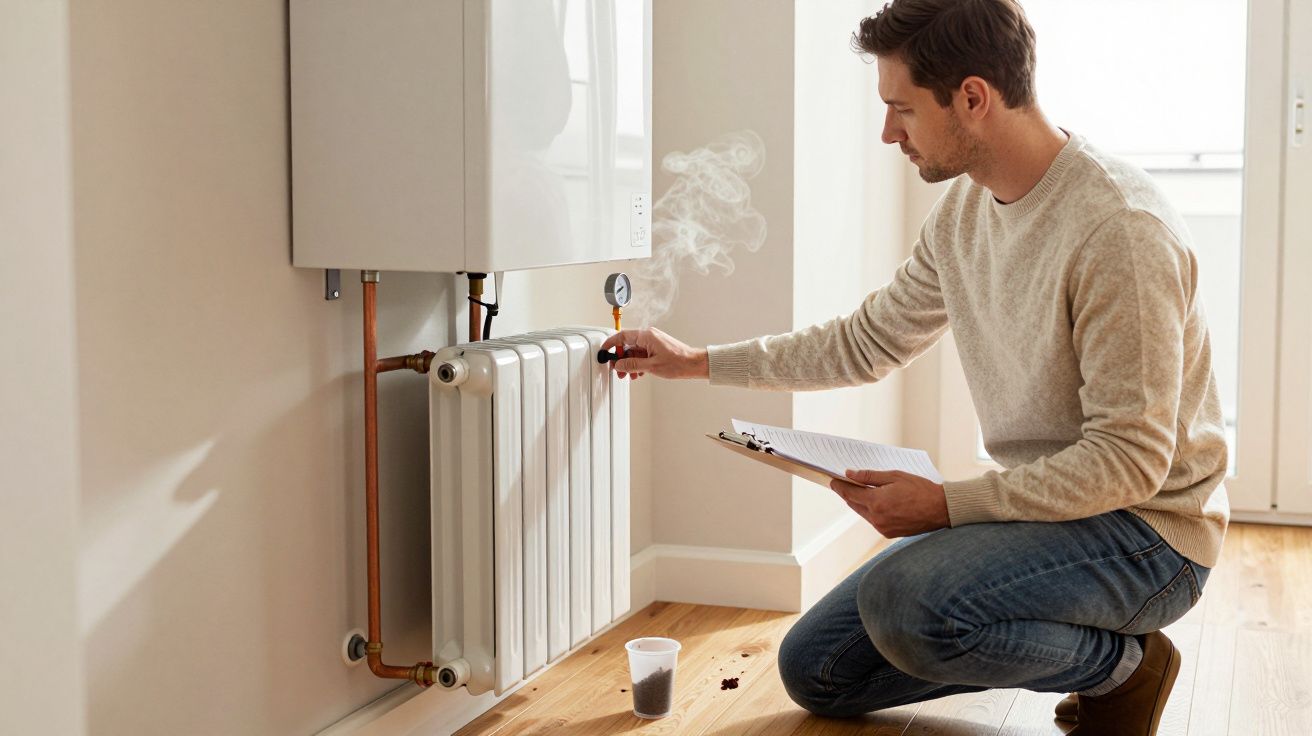
- Balancing radiator lockshield valves so heat spreads evenly.
- Bleeding air (and checking whether it keeps returning).
- Setting pump speed correctly (too high can cause noise; too low can starve circuits).
- Adjusting the heating curve / weather compensation on low-temperature systems.
- Confirming thermostatic radiator valves (TRVs) are working and not stuck.
If your upgrade included smart controls, it may also need a couple of weeks of schedule refinement. A “clever” thermostat can only be clever with the comfort target you give it.
Why efficiency can look like the system is working harder
People often expect upgrades to mean the boiler runs less. Sometimes the opposite happens - at least visually.
A more efficient setup may run for longer at lower output. That’s the point. Modern boilers condense best with cooler return water; heat pumps prefer steady operation; zoning can keep one part of the house gently topped up while another idles.
So you see longer runtimes and assume waste. In practice, you may be using less energy because the system is avoiding stop-start bursts and high losses.
Short, loud heating cycles feel productive. Long, quiet ones often cost less.
The “new noises” problem (hissing, ticking, rushing water)
Upgrades change pressures, flows, and temperatures - and sound is your first feedback.
Common noises and what they often mean:
- Gurgling or cold patches: air in the system, or sludge that’s been disturbed.
- Rushing water: pump set too high, valves too open, or an unbalanced circuit.
- Ticking: pipes expanding and contracting as temperatures shift (often worse with new control strategies that warm things more gradually but more often).
If noise is new and persistent, ask the installer to check balancing, pump settings, and whether a system clean or magnetic filter service is needed.
What to do in the first month: practical, low-drama checks
You don’t need to become a heating engineer. You do need a short settling-in routine.
- Keep notes for a week: which rooms feel off, at what times, and what the thermostat reads.
- Don’t chase comfort with random settings: avoid turning everything up and down daily; it confuses both the system and any smart controls.
- Check basics: radiator valves open, thermostat location sensible, doors between warm/cool zones used consistently.
- Ask for a balancing/recommissioning visit: especially after major changes like a heat pump, cylinder swap, or multiple radiator replacements.
If you’ve had insulation added, remember that moisture behaviour can change too. A warmer, tighter home may need better ventilation to feel comfortable, even if the temperature is correct.
When “worse at first” is actually a warning sign
Some discomfort is normal. Some isn’t. Consider escalating quickly if you notice:
- Repeated loss of pressure in a sealed system.
- Radiators needing bleeding every few days (air is getting in somewhere).
- One zone never reaching temperature despite long runtimes.
- A sharp jump in energy use with no weather explanation.
Upgrades should come with commissioning data and clear settings. If nobody can explain what temperatures, curves, or balancing targets were chosen, you may be running a good system on bad defaults.
The shift that makes upgrades feel better
Most people want one thing: to stop thinking about heating. Heating improvements get you there, but only after the system is tuned to the home you actually live in - not the one the previous settings were compensating for.
Once system rebalancing and control tweaks are done, the benefits tend to feel boring in the best way: fewer cold spots, fewer arguments about the thermostat, and a home that holds steady without constantly “trying” to be warm.
FAQ:
- Why do my radiators feel cooler after an upgrade? Many upgrades lower the flow temperature and run for longer, so radiators may be warm rather than hot while the room still reaches the target temperature.
- How long does it take for the system to settle? Often 1–3 weeks for comfort and schedules, but balancing issues can show up immediately and should be addressed as soon as patterns appear.
- Do I always need system rebalancing after heating work? If you’ve changed the boiler, pump settings, multiple radiators/valves, or moved to low-temperature operation, rebalancing is very often needed to spread heat evenly.
- Is it normal for the boiler or heat pump to run longer? Yes. Longer, steadier operation can be more efficient than short cycling, especially for condensing boilers and heat pumps.
- When should I call the installer back? If rooms consistently don’t heat, pressure drops, air keeps returning, or you hear persistent rushing/gurgling, it’s worth a recommissioning visit rather than living with it.





Comments (0)
No comments yet. Be the first to comment!
Leave a Comment