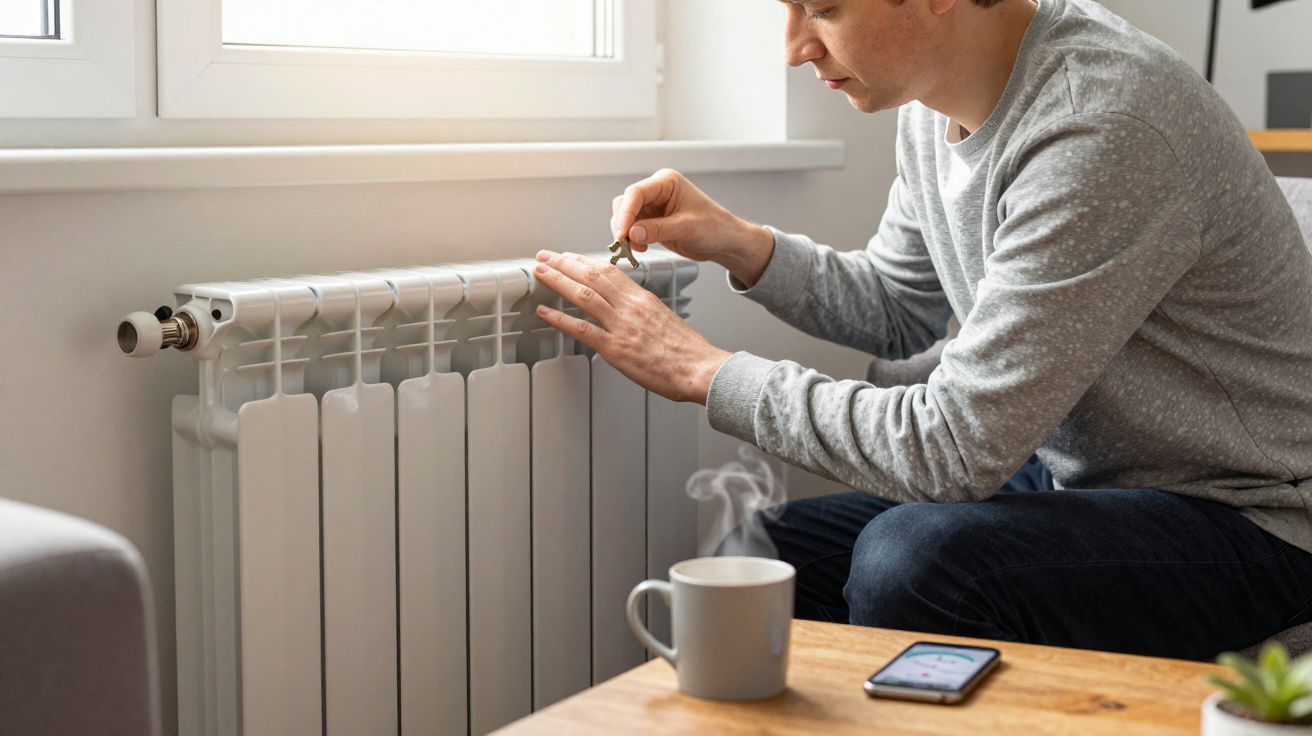
Heating rarely fails with a dramatic bang. More often, heating comfort fades first - rooms take longer to warm, radiators feel lukewarm, and the air never quite settles - because system stress has been quietly building for weeks or months. Spotting that early drop matters: it’s usually the cheapest point to intervene, before a small restriction turns into a breakdown on the coldest day.
The tricky part is that you can still get some heat, which makes it easy to doubt yourself. You end up compensating: turning the thermostat up, moving to the warmest room, wearing another layer, blaming the weather. Meanwhile the system is working harder to achieve less.
The comfort drop that shows up before the fault code
When people say “the heating’s not right”, they usually mean one of three sensations:
- The house warms, but it never feels evenly warm.
- The boiler runs longer, yet the radiators don’t feel properly hot.
- The heat comes in bursts - warm for a while, then flat.
That pattern isn’t just annoyance. It’s a hint that the system has lost efficiency somewhere, and the controls are trying to compensate.
A modern boiler, heat pump, and their controls are designed to hit a target gently. When they can’t, they cycle, overshoot, or run continuously. Comfort drops first because the system is still functioning - it’s just doing it under strain.
Why “it still heats” can actually mean “it’s under strain”
Heating comfort depends on flow, temperature, and balance. Take away any one and you’ll still get warmth, just the wrong kind: patchy, delayed, expensive.
System stress creeps in because heating is a loop. A small change in one place forces the rest to work harder:
- A partial blockage reduces flow, so the boiler runs hotter for longer.
- Low pressure introduces air, so circulation becomes inconsistent.
- A sticky valve stops one radiator heating, so another room overheats and the thermostat shuts the system down early.
- A sensor drifts, so the unit “thinks” it’s hitting target when it isn’t.
You feel it as comfort loss long before you see it as a clear, diagnosable failure.
The usual culprits (and what they feel like in a real home)
1) Sludge and magnetite: the slow choke
This is the classic: radiators hot at the top, cool at the bottom; one or two radiators that never quite get there; a system that sounds “gravelly” when it fires.
Sludge doesn’t need to fully block anything to ruin comfort. It just needs to narrow a passage, slow the flow, and steal heat transfer where you need it. The boiler responds by pushing harder, which increases wear.
You’ll notice: - longer warm-up times - one cold radiator in an otherwise “working” system - more boiler running, less room warmth
2) Air in the system: heat that won’t settle
Air pockets break circulation. That can make radiators cool in sections, cause gurgling, and create random hot/cold behaviour between rooms.
It’s tempting to bleed radiators and call it done. But repeated air can point to a deeper issue: low pressure, a leak, or poor circulation that’s pulling air out of solution.
You’ll notice: - gurgling or ticking - radiators warm unevenly - pressure dropping over days or weeks
3) Controls out of sync: the “warm-ish but never comfortable” house
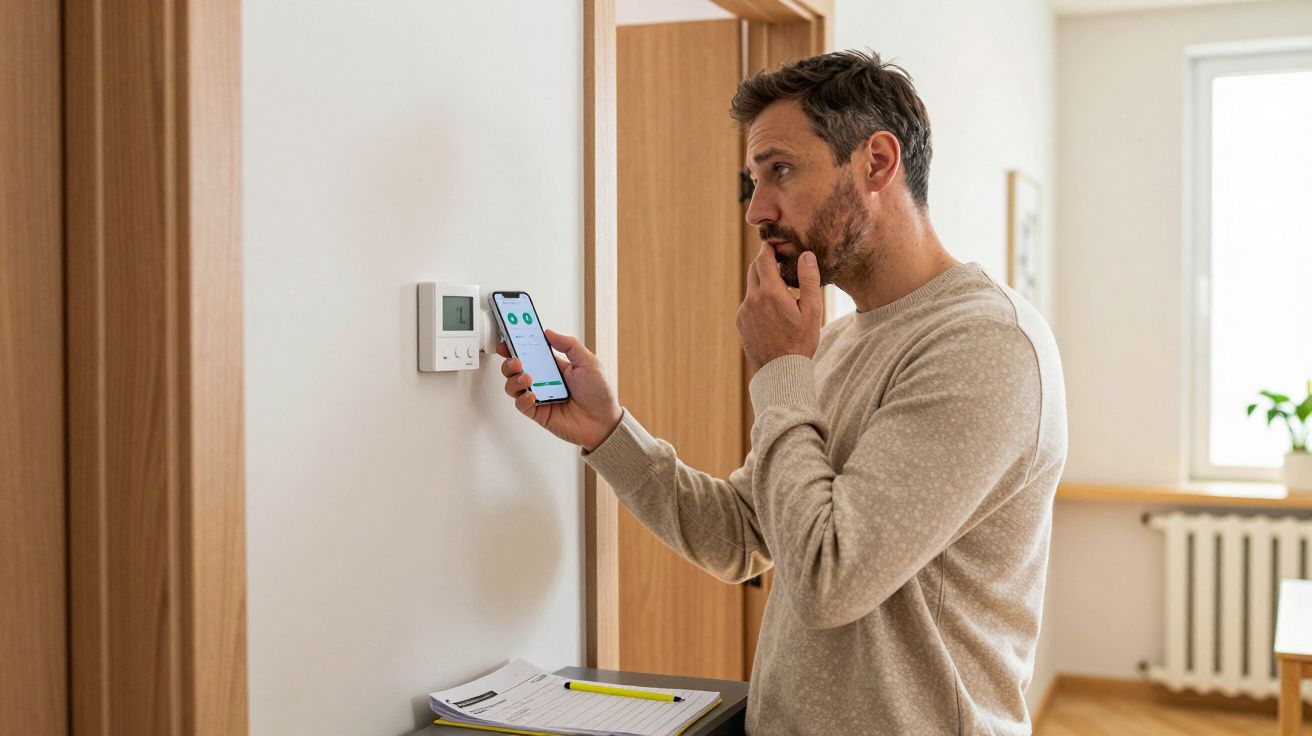
A thermostat in a draught, a stuck TRV pin, or a poorly placed sensor can flatten comfort without any dramatic symptom. The system isn’t “broken” - it’s just taking instructions from the wrong place.
This is especially common after room changes: new curtains over a radiator, furniture moved, a home office added, a smart thermostat installed in the hallway because it looked tidy.
You’ll notice: - one room roasting while another is cold - heating cutting out before the house feels warm - constant fiddling with TRVs and schedules
4) Pump and flow issues: the hidden effort
A circulation pump can degrade gradually. So can diverter valves and zone valves. You don’t always get an obvious failure; you get weakened performance.
When flow drops, boilers can short-cycle (on-off-on-off), and heat pumps can struggle to deliver steady temperatures. That instability is felt as comfort loss.
You’ll notice: - frequent cycling - radiators that warm slowly even when the boiler is firing - some zones consistently underheating
A quick “comfort audit” you can do in 15 minutes
You don’t need instruments to catch early warnings. You need consistency and a few simple checks.
- Pick one cold day and run the heating as you normally would.
- Walk the radiators after 20–30 minutes:
- are they broadly even room-to-room?
- any that are clearly cooler than the rest?
- Listen near the boiler and a couple of radiators:
- gurgling, rattling, frequent clicking starts/stops?
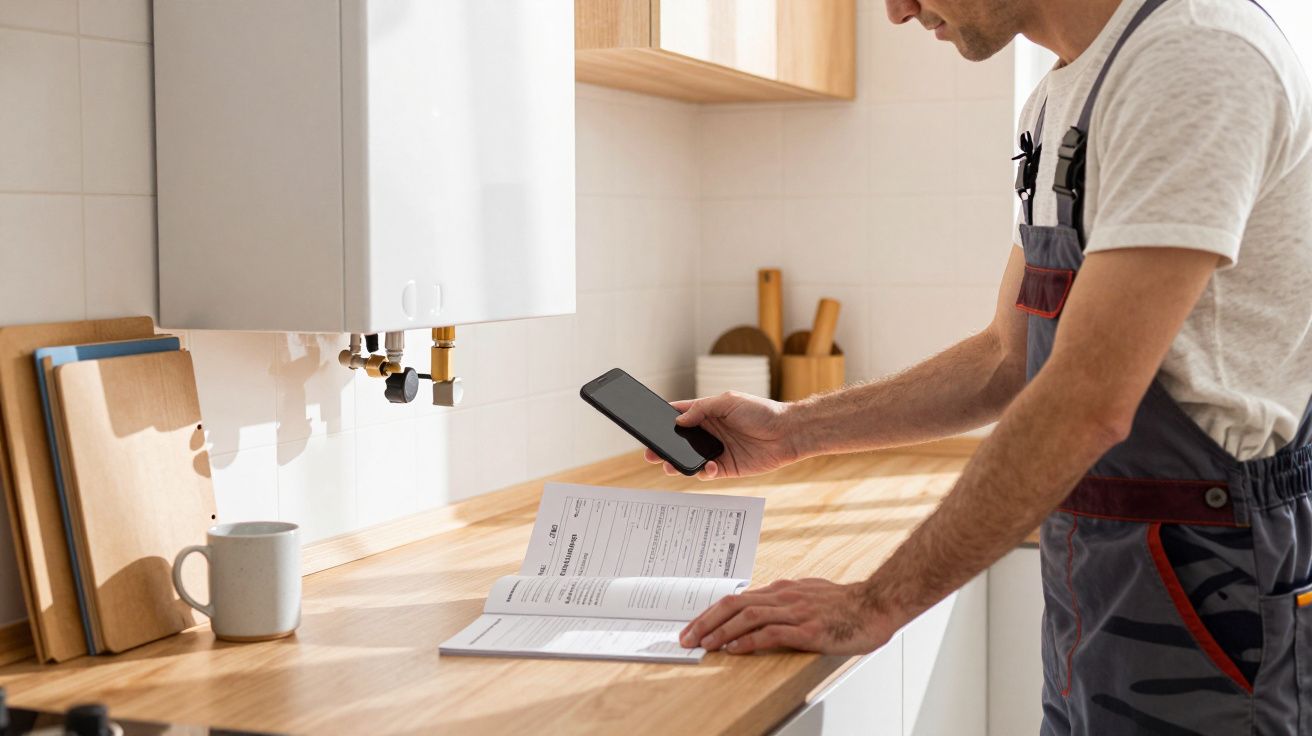
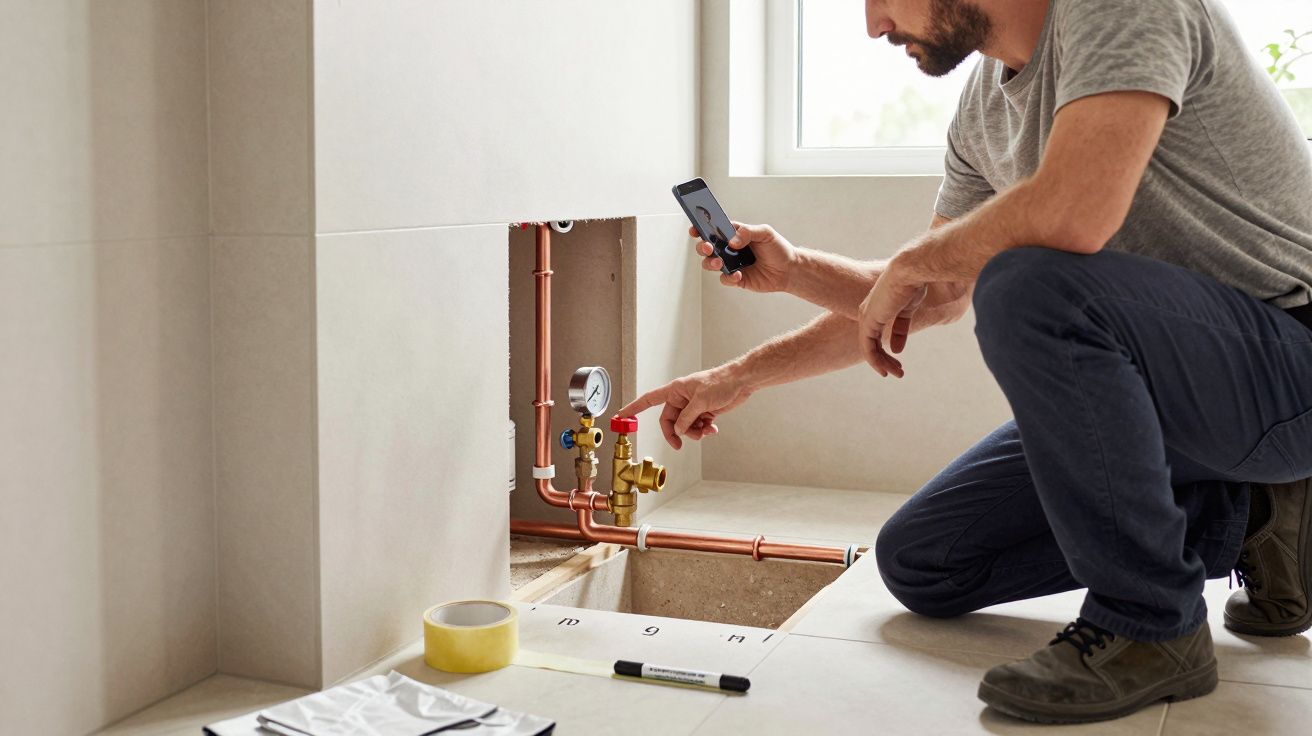
- Check boiler pressure (if you have a combi):
- is it stable week-to-week?
- Notice the pattern:
- “takes ages then suddenly gets too hot” is different from “never quite warms”.
Write down what you found. Heating problems are easier to fix when you can describe them without guesswork.
What to do when comfort drops (before you reach for the thermostat)
The most expensive response is usually the most instinctive one: turning it up and hoping. Better is to reduce stress on the system.
- Bleed radiators once if you hear air, then watch pressure for a week. Repeated air needs a reason.
- Check TRVs: if a radiator stays cold, the pin may be stuck. Gently freeing it can restore flow.
- Rebalance radiators if some rooms always win and others always lose. It’s boring, but it works.
- Book a service with a specific complaint (“one radiator cold, slow warm-up, pressure dropping”), not just “it’s broken”.
- Ask about inhibitor and filtration if your system is older or has had repeated issues. Prevention here is real money saved.
If you have a heat pump, add one more: ask for a flow temperature and delta-T check. Comfort loss can come from settings drifting away from what your emitters and insulation can actually deliver.
The real reason comfort drops first: you’re the warning light
Most heating systems fail at the end of a chain: restriction → compensation → extra wear → fault. Your home doesn’t show “restriction” on a dashboard. It shows it as a living room that never feels properly warm.
That’s why heating comfort is a better early indicator than a fault code. It captures the subtle stuff - the imbalance, the extra runtime, the uneven rooms - while the system is still technically “working”.
Treat that first dip in comfort as information, not inconvenience. It’s often the moment when a small fix prevents a big call-out.
FAQ:
- Why do my radiators feel warm but the room is still cold? Warm radiators don’t guarantee enough heat output. Low flow, sludge, trapped air, or poor balancing can reduce how effectively heat moves into the room, and draughts or insulation gaps can overwhelm it.
- Is turning the thermostat up a bad idea? It’s not “bad”, but it can mask the problem and increase system stress by pushing longer runtimes or higher temperatures to compensate for an underlying restriction or control issue.
- What’s the clearest sign comfort is dropping due to a system issue? A new pattern: longer warm-up times, uneven radiator temperatures between rooms, frequent cycling, or repeated pressure drops, especially when nothing else in the home has changed.
- Do I need a powerflush if one radiator is cold? Not always. A stuck valve, air, or balancing issue can mimic sludge problems. A heating engineer can test and advise; flushing is most useful when there’s evidence of widespread contamination or persistent circulation issues.
- When should I call an engineer? If pressure keeps falling, multiple radiators are underheating, the boiler cycles frequently, or you hear unusual noises that persist after basic checks. Early visits are usually cheaper than emergency breakdowns.



Comments (0)
No comments yet. Be the first to comment!
Leave a Comment