The brochure promise is always the same: warm rooms, low bills, and a quiet box outside doing the hard work. Then the first winter arrives and the story gets messier. Heat pumps can be brilliant in UK homes, but expectation gaps-between what people think an upgrade is and what the building can actually deliver-are where disappointment breeds.
I’ve heard it in hallways and on phone calls with installers: “It’s running all day.” “The radiators aren’t hot.” “My bills didn’t halve.” None of those lines automatically mean the system is bad. They usually mean the home and the handover weren’t treated as part of the upgrade.
The disappointment rarely comes from one thing
A heat pump is a whole-house change, not a like-for-like boiler swap. It moves heat rather than making it, and it does it gently, over longer periods. If your old boiler blasted very hot water through undersized radiators for short bursts, the comparison will feel unfair from day one.
Most “bad” outcomes are a stack of small mismatches: a bit of draught, a bit of guesswork on sizing, a controller nobody explained, and a tariff that doesn’t fit the new pattern of use. Nothing dramatic. Just enough friction to make the homeowner feel they’ve bought a downgrade.
The core expectation gap: “hot radiators” versus “steady heat”
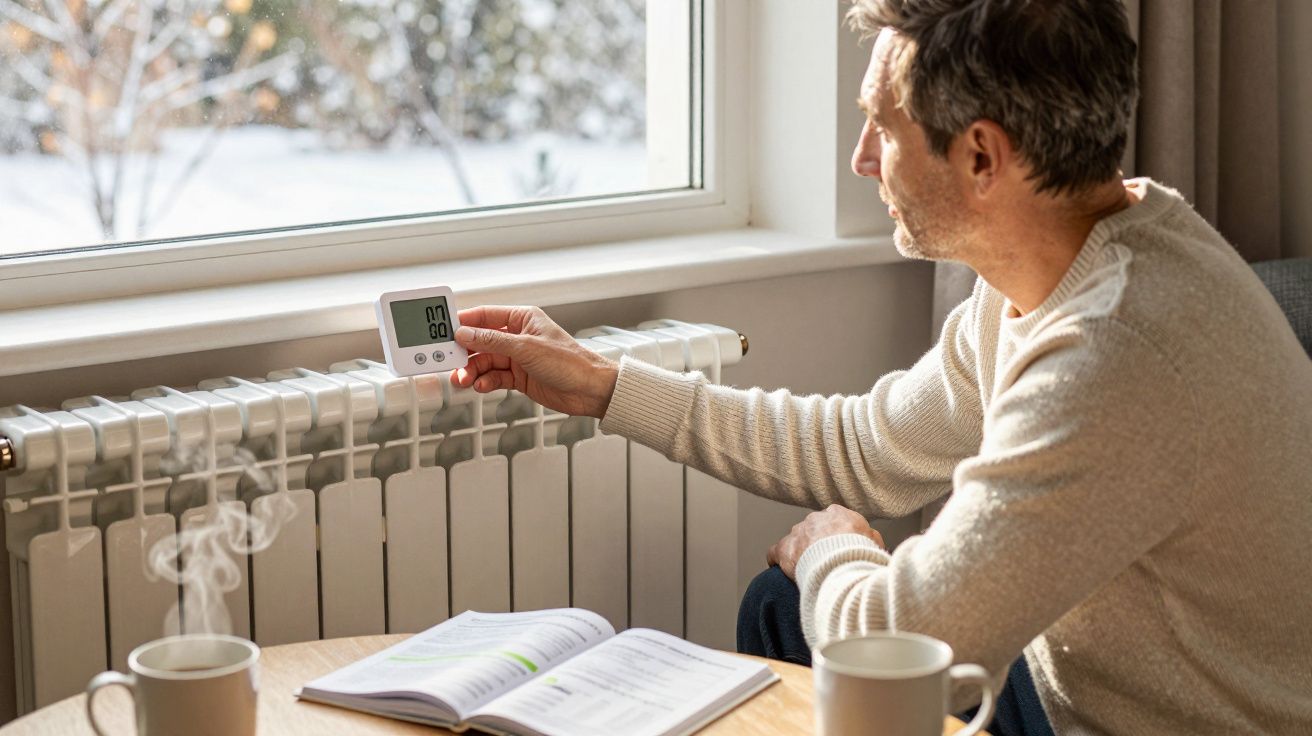
People touch a radiator to check whether a home is being heated. With many heat pump systems, that quick test fails. Flow temperatures are typically lower than a gas boiler’s, so radiators may feel lukewarm while the room is perfectly comfortable-or not quite comfortable, if the emitters are too small.
The best-performing setups tend to feel boring. The house sits at a steady temperature, with fewer peaks and troughs. Homeowners expecting the old on/off blast can interpret that steadiness as weakness, and then start overriding schedules, boosting thermostats, and accidentally wrecking efficiency.
A simple reframe helps: the goal isn’t “hot metal.” It’s “stable air temperature with minimal energy input,” achieved by longer, gentler running.
Why bills can rise even when the system works
Electricity costs more per unit than gas for many households, and that colours everything. A heat pump can be efficient and still look expensive if the home has high heat loss, the tariff is poor, or the system is forced to run at higher temperatures.
Three common bill-bloaters show up again and again:
- High flow temperatures to compensate for small radiators or a rushed design.
- Backup immersion heaters coming on more than expected (sometimes silently).
- Hot water settings that mimic a combi boiler experience: very hot cylinders, frequent reheats.
There’s also a timing issue. Heat pumps often use more electricity during long cold spells, precisely when people are home more and want warmer rooms. The spend feels personal, even if the comfort is better.
The house is the appliance you forgot to buy
In older UK stock, insulation and air leakage decide the outcome more than the badge on the outdoor unit. A heat pump can’t negotiate with a single-glazed bay window or a loft hatch that leaks like a letterbox. It will simply run longer, and at some point it will run hotter.
This is where expectation gaps get sharp. Homeowners imagine they’re purchasing a machine that “solves heating”. In reality, they’re buying a system that exposes the building’s weaknesses. If you upgrade the heat source without lowering heat demand, you’re asking the heat pump to do the noisiest, least efficient version of its job.
A useful rule of thumb: prioritise the measures that reduce heat loss without drama-loft insulation, draught-proofing, and smart zoning-before chasing perfect kit.
Design and commissioning: the unglamorous make-or-break
A tidy install can still be a poor-performing system if the design assumptions are wrong. Heat loss calculations, emitter sizing, and pipework checks are not admin. They’re the difference between a heat pump cruising at 35–45°C flow temperature and grinding away at 55–60°C.
Commissioning is where many upgrades stumble. Controllers get set to default. Weather compensation is left off because it “confuses people”. Thermostatic radiator valves fight the main control strategy. The homeowner is handed an app and a PDF and told it will “learn”.
Small, patient steps work better than cleverness. Measure. Adjust. Wait a day. Adjust again. Stop when comfort is steady, not when the numbers look impressive.
The handover problem: nobody explains how to live with it
Disappointment often arrives as a user-experience issue. People don’t know:
- what “weather compensation” means in plain language,
- why constant low-level running is normal,
- how hot water schedules affect electricity use,
- when the immersion heater should (and shouldn’t) intervene.
So they do what they’ve always done: crank the thermostat, turn it off when leaving, boost hot water, and chase hot radiators. The system responds exactly as designed-just not as efficiently as it could.
A good handover sounds almost mundane: “Leave it on. Set one target temperature. Don’t micromanage. Call us if you see this symbol or hear that click.” It’s less sales pitch, more care manual.
What to check before you decide the upgrade “failed”
If you’re cold, uncomfortable, or shocked by the bills, don’t start by blaming the technology. Start by checking the basics that create most of the expectation gaps:
- Room temperature, not radiator temperature. Use a cheap thermometer in the rooms you care about.
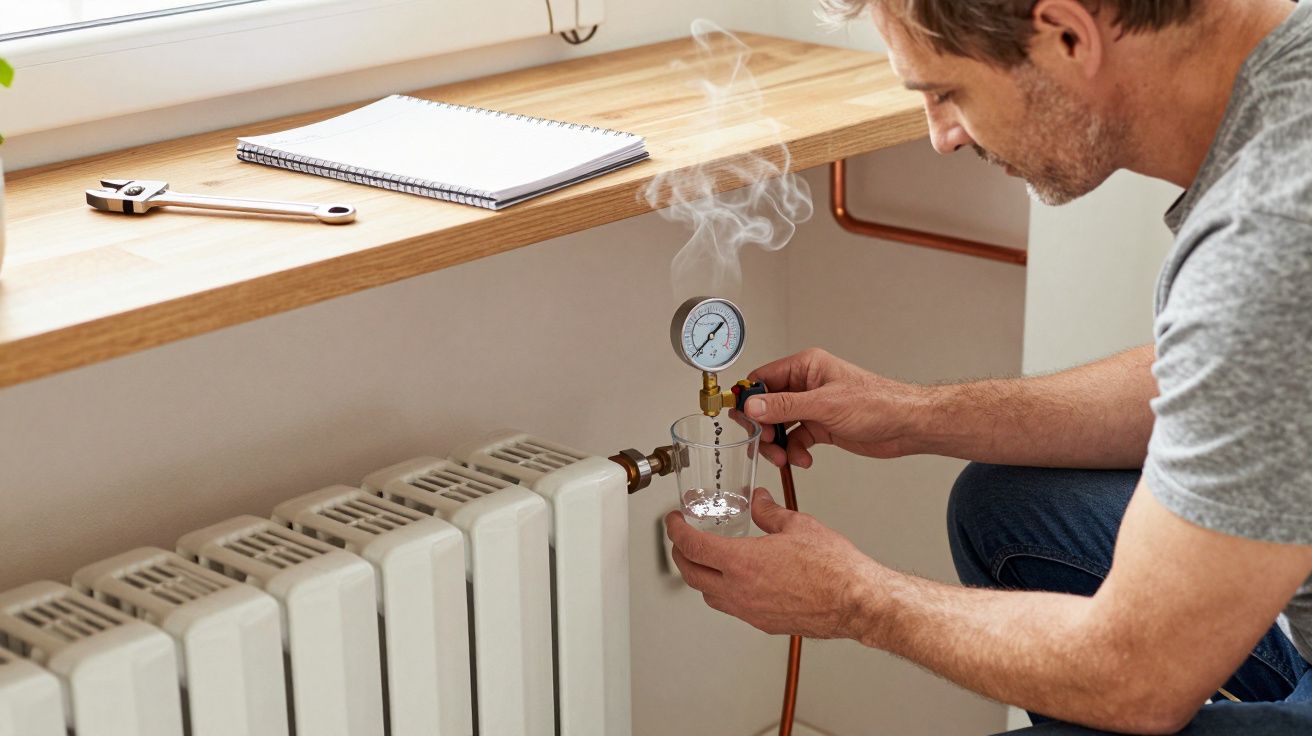
- Flow temperature. If it’s regularly very high, something upstream (design, emitters, controls) is pushing it.
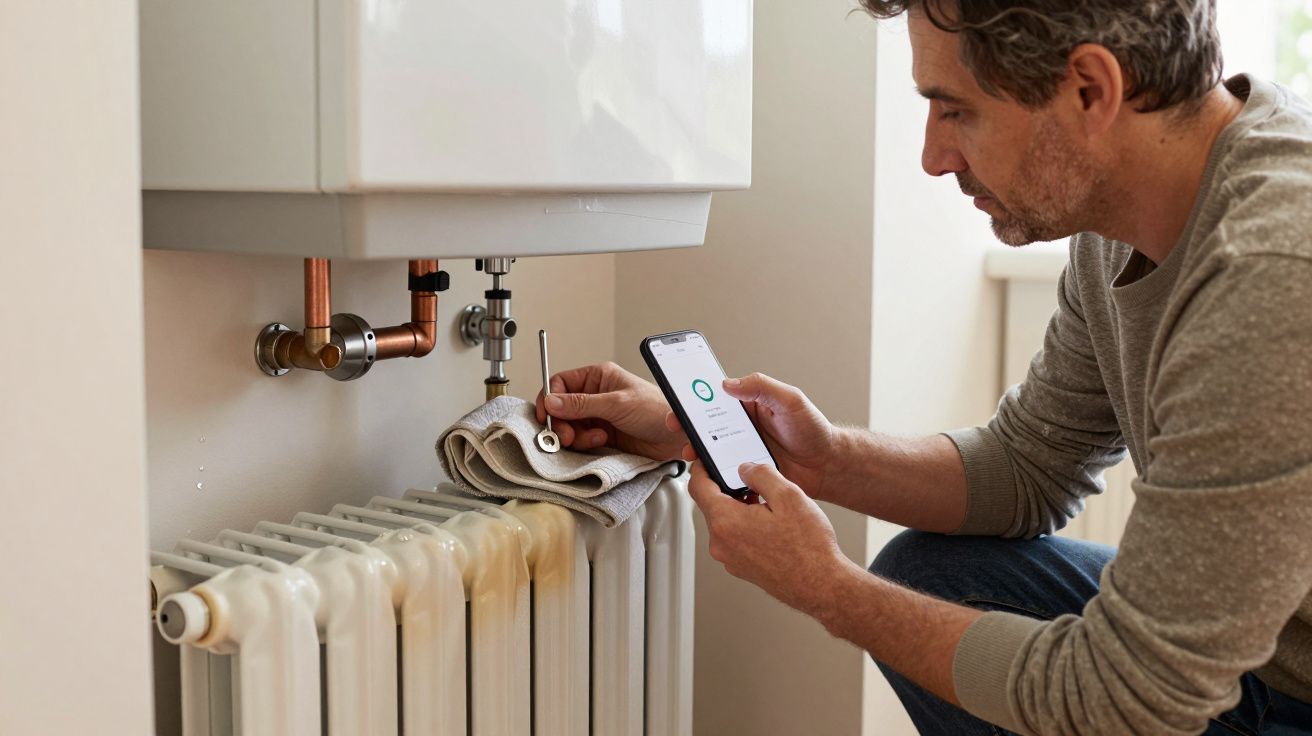
- Immersion heater activity. Ask your installer how to verify whether it’s running, and under what conditions.
- Hot water setpoints and schedules. Overheating a cylinder is an easy way to burn money quietly.
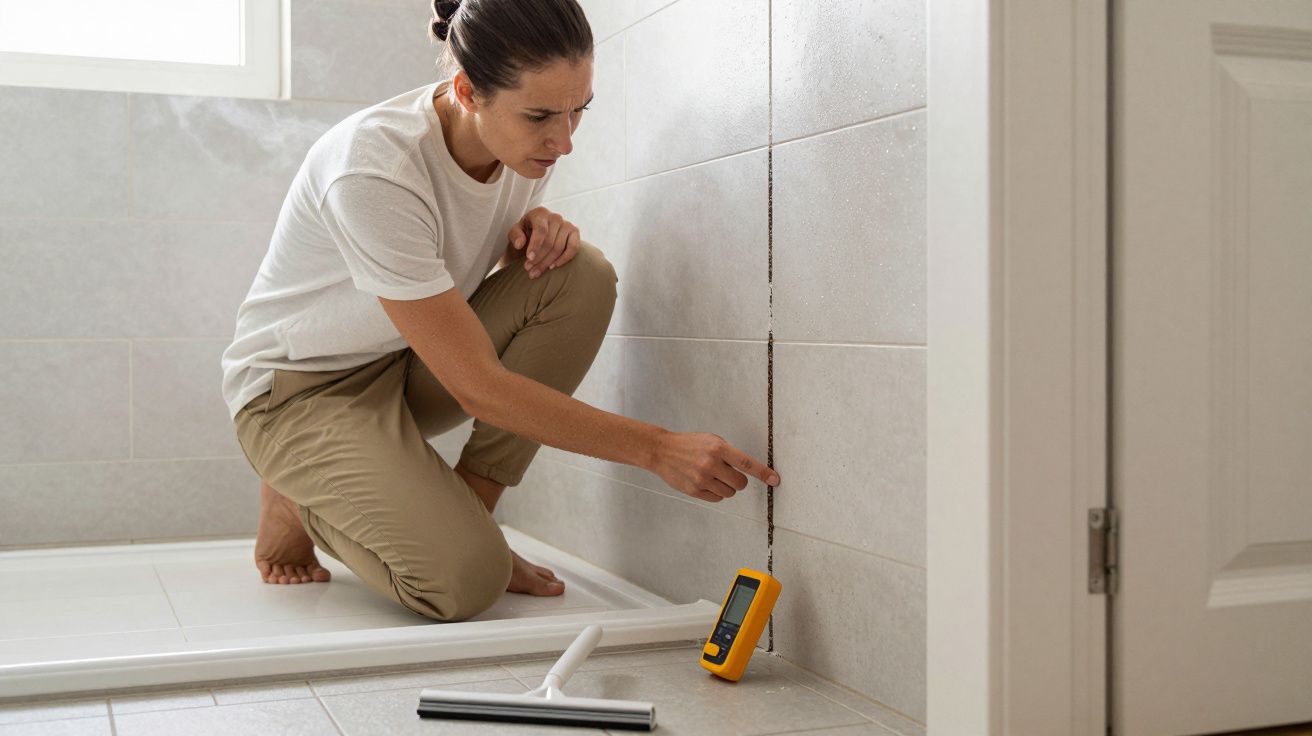
- Draughts and insulation gaps. The heat pump can’t fix a leaky envelope; it can only pay for it.
If the installer can’t show you the settings, explain the control logic, and talk through measured temperatures, that’s a service gap-not a homeowner failure.
The upgrades that feel good are the ones that feel planned
The happiest homeowners tend to treat the heat pump as the final step, not the first. They do the quick fabric wins, accept that “warm and steady” is the new normal, and insist on proper design and commissioning. They also choose comfort metrics they can actually track: indoor temperature stability, hot water recovery time, and seasonal cost trends-not a single monthly bill in a cold snap.
None of this is to excuse poor installs. It’s to name the real problem. Heat pumps aren’t a miracle, but they’re not a con either. Most disappointment is simply expectation gaps left unmanaged, until the first frosty week makes them loud.
| What homeowners expect | What a good system often does | Why it feels different |
|---|---|---|
| Hot radiators quickly | Lukewarm radiators for longer | Lower flow temps, steadier heat |
| Big bill drops immediately | Gradual improvement after tuning | Settings, tariffs, and habits matter |
| Boiler-like behaviour | Weather-led continuous running | Efficiency comes from not “boosting” |
FAQ:
- Why are my radiators not hot with a heat pump? Many systems run lower water temperatures than gas boilers, so radiators can feel warm rather than hot. Judge comfort by room temperature, and check whether radiators are correctly sized for lower flow temperatures.
- Should I turn my heat pump off when I go out? Usually no. Heat pumps tend to work best maintaining a steady temperature; turning them off can mean a long, inefficient catch-up later, especially in leaky homes.
- Is it normal for a heat pump to run most of the day? Often yes. Longer run times at lower power are common and can be efficient. What matters is whether it maintains comfort without needing very high flow temperatures or frequent immersion use.
- How do I know if the immersion heater is costing me money? Ask how to check its run hours in your controller, app, or meter readings. If it’s activating often for space heating or frequent hot water boosts, commissioning settings may need correcting.
- Do I need to upgrade insulation before installing one? Not always, but reducing heat loss makes performance and bills far more predictable. Even basic steps-loft insulation and draught-proofing-can reduce the risk of disappointment.



Comments (0)
No comments yet. Be the first to comment!
Leave a Comment