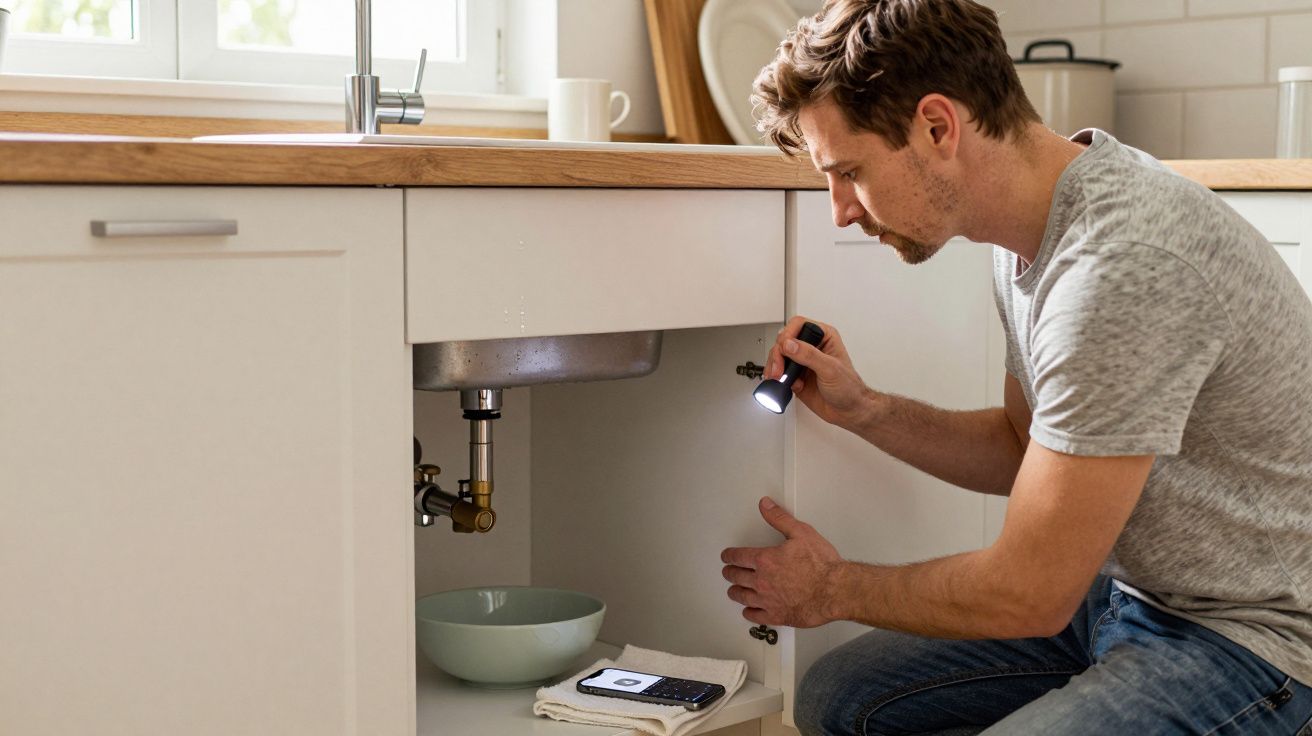
The paint is still drying, the tiles look flawless, and the new tap sits there like a showroom photo. Then, at 11:47pm, you’re on the kitchen floor with a towel under the cupboard, ringing for emergency plumbing because the “quick job” has turned into a steady drip. Installation errors don’t always shout on day one; they whisper for a week, then pick a Friday night to make themselves known.
This is why emergency call-outs so often cluster right after renovations. Not because trades are careless by default, but because new systems have a nasty habit of revealing weak points only once real life starts using them.
The “it worked during testing” trap
Renovations are full of passing tests that aren’t really tests. A sink gets run for thirty seconds. A shower gets checked for pressure once. A toilet flushes twice, everyone nods, and the fitter moves on to the next job.
But water is patient and repetitive. It finds the slightly skewed olive, the thread that wasn’t quite seated, the waste pipe with a tiny fall the wrong way. A joint that holds under one burst can fail under a week of micro-movement and temperature changes, especially in a house that’s being heated differently post-renovation.
The frustrating part is that nobody feels “wrong” in the moment. The job looks clean, the silicone is fresh, and the leak hasn’t earned its confidence yet.
Why emergency plumbing spikes after the dust settles
Once the work is finished, the house changes behaviour. People start using extra bathrooms again. Dishwashers and washing machines get reconnected. The family’s routine returns: morning showers stacked back-to-back, evening baths, the boiler working harder.
That’s when a whole set of small vulnerabilities gets stress-tested all at once. If one connection is marginal, it may hold. If three are marginal, they start to interact: a slow waste blockage raises standing water, which exposes a weak seal; a slightly loose isolation valve gets nudged when someone stores cleaning products under the sink; a poorly clipped pipe starts knocking, and the vibration loosens something else.
Emergency fixes cluster because the load arrives in a burst. Renovation day is artificial. Real life is relentless.
The usual suspects: small installation errors with big consequences
Most post-renovation emergencies aren’t dramatic pipe bursts. They’re boring, specific, and wildly disruptive.
Here are the patterns emergency plumbers see again and again:
- Compression joints not fully seated (or over-tightened) under sinks and basins, especially where access is awkward.
- Cross-threaded tap tails or connectors forced to “catch,” which can hold temporarily then weep.
- Waste pipes with poor fall so water sits, debris collects, and smells or leaks appear within weeks.
- Trap adapters and reducers mismatched (wrong diameter, wrong type), leading to slow leaks that rot a cabinet base before anyone notices.
- Silicone used as a fix, not a finish: it masks a misaligned waste or a warped fitting, until movement breaks the seal.
- Appliances reconnected without new hoses or seals, particularly washing machine valves that were fine before but don’t reseal nicely after being disturbed.
None of these sound like an emergency in isolation. They become one when the drip hits electrics, or the ceiling below starts staining, or the stopcock turns out to be stiff when you need it most.
New layouts create new “stress points”
A renovation often changes more than aesthetics. Pipework routes shift. Access panels disappear behind built-in units. Water pressure changes when a combi boiler is swapped in, or when new outlets are added.
Every change creates a new stress point: longer flexible hoses, more elbows, more joints hidden behind a vanity unit. Hidden doesn’t mean unsafe, but it does mean a small leak can run longer before it’s seen.
It’s also why the first few weeks are so telling. The system is bedding in. Timbers dry, cabinets settle, and vibration from appliances starts doing its quiet work. The plumbing is learning the building, and sometimes it doesn’t like what it finds.
What to do in the first 30 days (so you don’t end up on an emergency call-out)
You don’t need to hover over every joint with a torch. You do need a short, slightly boring routine-because it catches the issues that turn into weekend disasters.
- Check under every sink weekly for the first month: feel for moisture, not just visible drips.
- Run each outlet for two full minutes (hot and cold) and then check behind and below it.
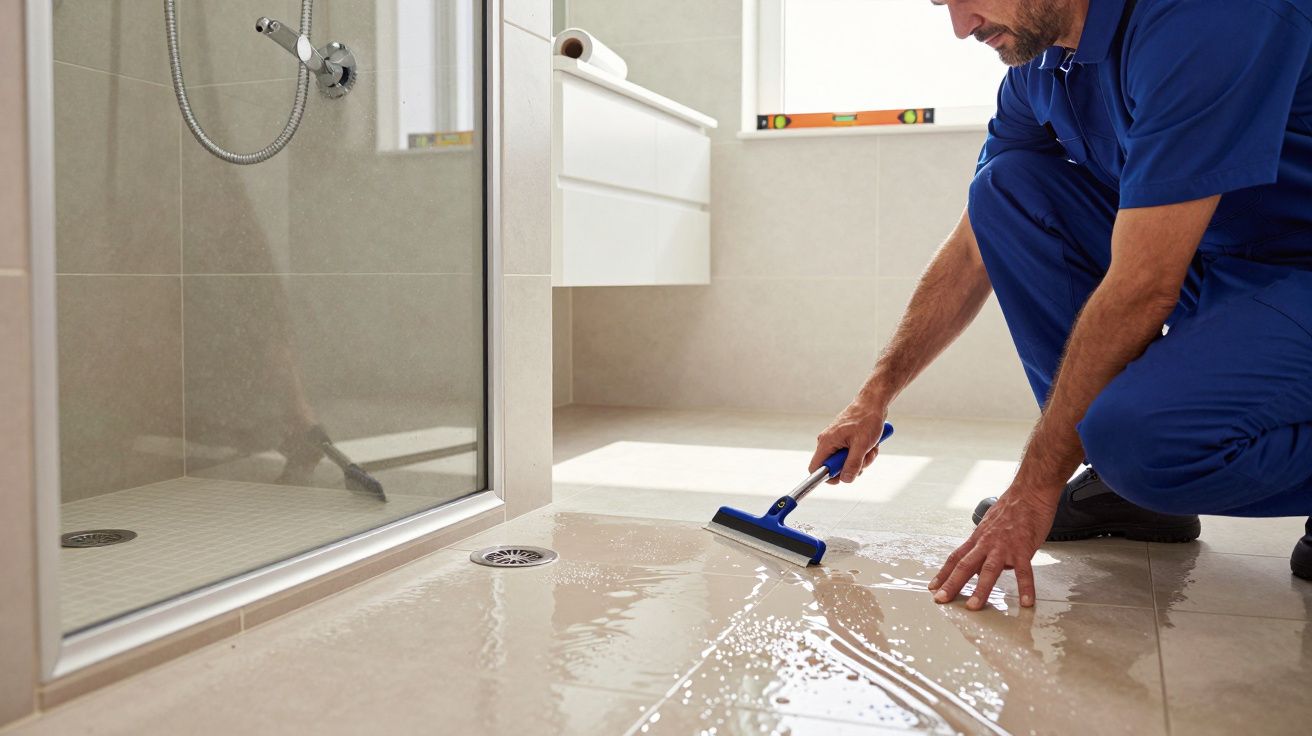
- Look for “slow clues”: warped cabinet bases, musty smells, bubbling paint on a ceiling below, unexplained damp patches near skirting.
- Find and test your isolation points: under-sink valves, appliance valves, and the main stopcock. If one is seized, sort it while you’re calm.
- Don’t ignore new noises: banging pipes and vibration often mean poor clipping or pressure issues that can loosen fittings over time.
If you’ve had major work done, take photos of shut-off locations and any access panels before they get filled with stored stuff. When water is running where it shouldn’t, memory gets foggy fast.
How to reduce the risk before the renovation is “finished finished”
A lot of the best prevention is awkward timing: it needs to happen while the fitter is still on site and access is still easy.
A simple approach that helps:
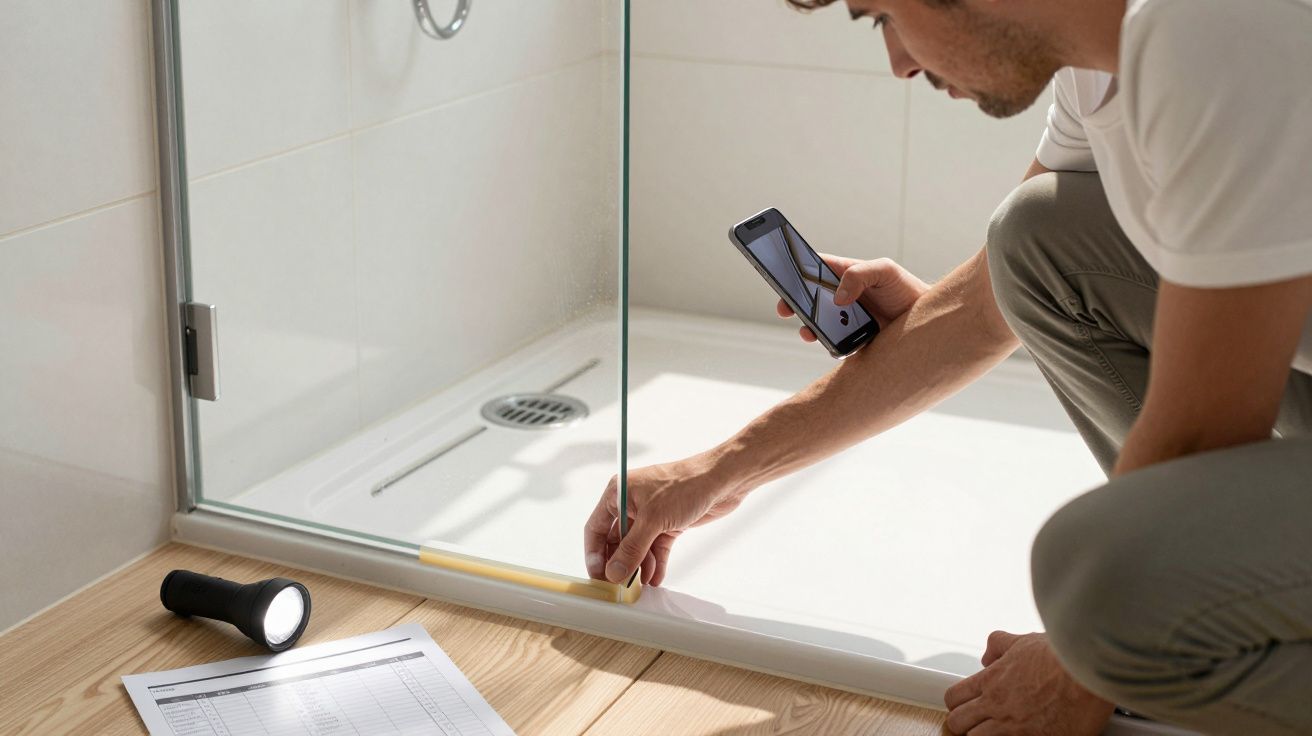
- Ask for a leak check after everything has been used, not just installed: appliances connected, shower run, bath filled and drained, basin overflow tested.
- Request visible service access for key connections (traps, valves, shower pumps, filters) rather than boxing everything in neatly.
- Get the spec in writing for flexible hoses, waste sizes, and any adapters used. It’s not pedantry; it’s traceability.
If the job involves multiple trades, assume interfaces are the danger zone. The plumber didn’t tile; the tiler didn’t fit the waste; the cabinet installer didn’t reconnect the dishwasher. Gaps between roles are where “almost right” lives.
The deeper reason it feels personal (when it’s mostly physics)
When a leak appears right after a renovation, it lands as betrayal. You’ve just paid, cleaned, moved things back, and told yourself the house is finally “sorted.” Then you’re shutting off the water and googling how to protect a new floor.
But clustering doesn’t always mean someone has botched everything. It often means the system is new, slightly more complex, and suddenly under full use. Water exposes uncertainty. It doesn’t care how expensive the tap was or how neat the grout lines are.
The goal isn’t to be paranoid. It’s to treat the first month like a gentle commissioning period, not a victory lap.
| Point clé | Détail | Intérêt pour le lecteur |
|---|---|---|
| Pourquoi ça arrive après travaux | Usage réel + mouvements + accès caché | Comprendre le “pic” de pannes |
| Erreurs fréquentes | Joints, chutes de déchets, raccords, flexibles | Repérer les risques typiques |
| Ce qui évite l’urgence | Contrôles sur 30 jours + vannes accessibles | Limiter dégâts et stress |
FAQ:
- Why do leaks show up days after a renovation, not immediately? Because fittings can hold under a quick test but fail once they’ve gone through repeated heat, pressure, vibration, and minor movement as cabinets and pipes settle.
- What are the first places to check if you suspect a post-renovation leak? Under sinks (around the trap and tap tails), behind/under appliances, and the ceiling or wall directly below new bathrooms or relocated pipework.
- Are installation errors always the cause? Not always. Disturbed old valves, aged hoses, pressure changes, or hidden access issues can trigger failures even if the new work is broadly sound.
- What should I ask for before the installer leaves? A proper run-and-drain test of each outlet, confirmation of where isolation valves are, and workable access to key connections (especially in vanity units and boxed-in areas).
- When is it time to call emergency plumbing rather than wait? If water is actively leaking and you can’t isolate it, if there’s water near electrics, if a ceiling is bulging/staining rapidly, or if you’re unsure where the stopcock is and the leak is worsening.




Comments (0)
No comments yet. Be the first to comment!
Leave a Comment