
The talk around upgrades has changed. Property maintenance is no longer just the quiet fixing of leaks, cracked render and tired boilers; it’s becoming a planning and budgeting strategy that protects value in a stricter, pricier decade. The 2026 planning shift-new compliance timetables, lender expectations and insurance scrutiny landing at once-will make “we’ll do it next year” the most expensive sentence in the room.
You can feel it in the Monday-morning inbox: a managing agent chasing a fire-door certificate, a homeowner asking whether a heat pump will break the electrics, a contractor warning that lead times are stretching again. It’s not one dramatic rule; it’s a stack of small pressures that turn upgrades from optional to scheduled.
The quiet forces that will make 2026 feel different
Most years, maintenance is reactive. A roof fails, a budget appears. In 2026, more owners will be pushed into proactive cycles by a mix of compliance, finance and supply chain reality.
Start with three levers: risk, proof, timing. Risk is what insurers and residents now refuse to tolerate. Proof is documentation-tests, certificates, photos, records-because “we checked it” doesn’t travel well in a claim. Timing is the part nobody controls: materials, labour and access windows that don’t care about your diary.
A lot of upgrades will look like lifestyle choices on Instagram. In practice, they’ll be logistics: scaffold booking, resident comms, noise hours, and the one plumber who can actually sign off the work.
Why the 2026 planning shift hits upgrades, not just paperwork
Planning is becoming the upgrade itself. When compliance, finance and energy costs tighten together, the building that can show its workings gets the better outcome: cheaper premiums, fewer voids, easier sales, calmer residents.
Think of it like this: you’re not buying a new roof, or a new plant room. You’re buying predictability for the next ten years.
A building with a clear maintenance plan can answer hard questions quickly:
- What’s the condition of the roof covering and deck?
- When were the electrics last tested, and what was remedial?
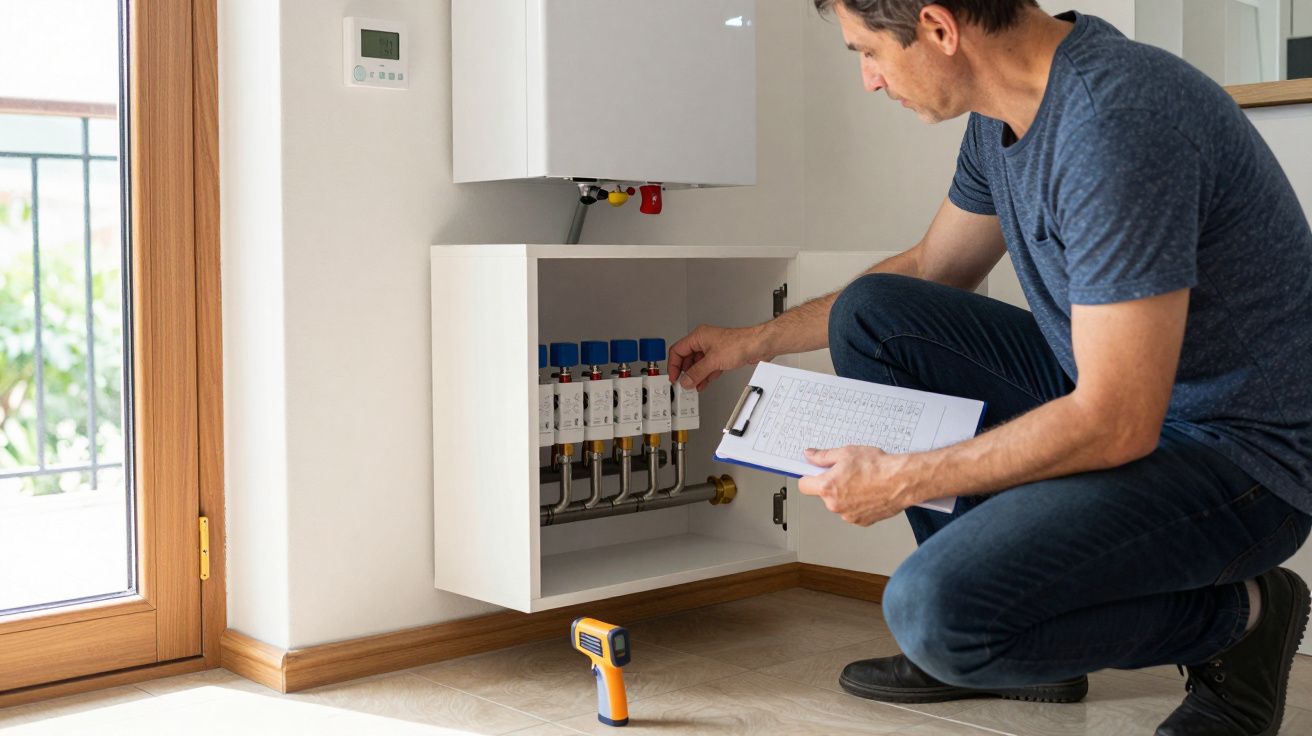
- Do we know the remaining life of the boiler, or are we guessing?
- If we switch to lower-carbon heating, what needs upgrading first: insulation, emitters, supply, controls?
Let’s be honest: nobody keeps perfect records when everything is working. The 2026 shift rewards the places that start documenting before the emergency, not after it.
How to read an “upgrade” like a pro (before you spend)
The most common mistake is to treat an upgrade as a product. It’s a system change. A heat pump touches insulation, radiators, electrics and noise. New windows touch ventilation, condensation risk and fire strategy. A roof refurbishment touches drainage falls, parapets, insulation thickness and access.
Use a simple method: survey, scope, sequence, sign-off.
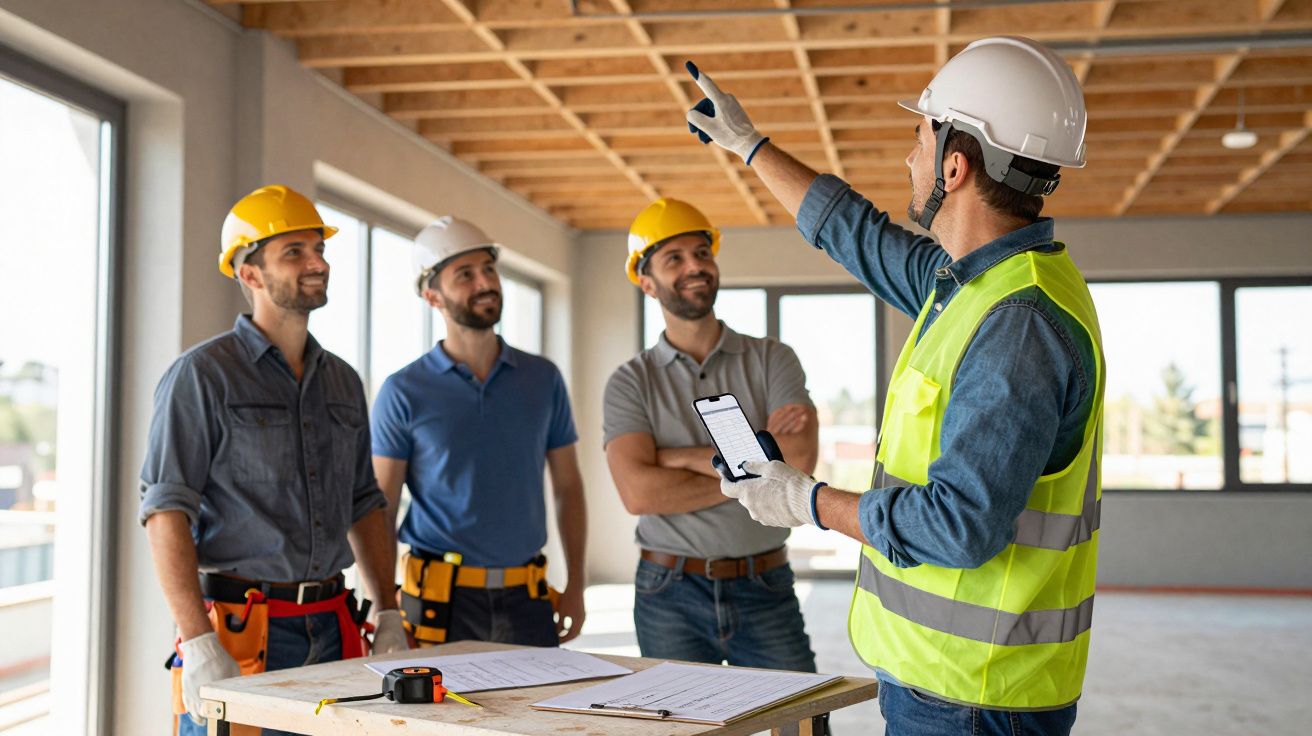
- Survey: commission condition surveys that include photos and a clear “remaining life” estimate.
- Scope: write down what “good” looks like (performance, compliance, finish, warranty).
- Sequence: do the enabling works first-insulation, electrics capacity, ventilation pathways.
- Sign-off: plan for testing, commissioning and documentation from day one.
If a contractor can’t explain commissioning in plain English, you’re not looking at an upgrade. You’re looking at a future argument.
“You’re not paying for the kit,” a senior site manager told me once. “You’re paying for the week after it’s fitted-when it has to behave.”
The upgrades that will define 2026 (and why)
This isn’t a prediction of fashion; it’s a prediction of friction. The work that reduces call-outs, complaints and compliance risk will jump the queue.
Expect momentum in:
- Fabric-first improvements: loft and cavity insulation upgrades, draught reduction, roof insulation during re-covering. Less glamorous, brutally effective.
- Electrical readiness: consumer unit upgrades, earthing and bonding fixes, load assessments for future electrification.
- Ventilation and moisture control: extract upgrades, trickle ventilation strategies, condensation-risk reviews after airtightness works.
- Fire and life safety upkeep: fire doors, compartmentation repairs, emergency lighting tests, clear certification trails.
- Roof, gutter and drainage resilience: not because it’s trendy, but because water finds weakness and insurers notice patterns.
And yes-low-carbon heating will grow. But the winners will be the projects that treat heating as the last step, not the first.
Make it a rhythm, not a rescue
The most successful owners will build a small, repeatable rhythm that survives busy months and changing tenants. Keep the system humble on purpose. The point is to reduce surprises, not to create a maintenance bureaucracy.
A workable 2026-ready routine looks like:
- A rolling 5–10 year plan with annual reviews, tied to real survey evidence.
- A single document store for certificates, warranties, photos and commissioning sheets.
- A shortlist of two or three trusted contractors per trade, with clear response times.
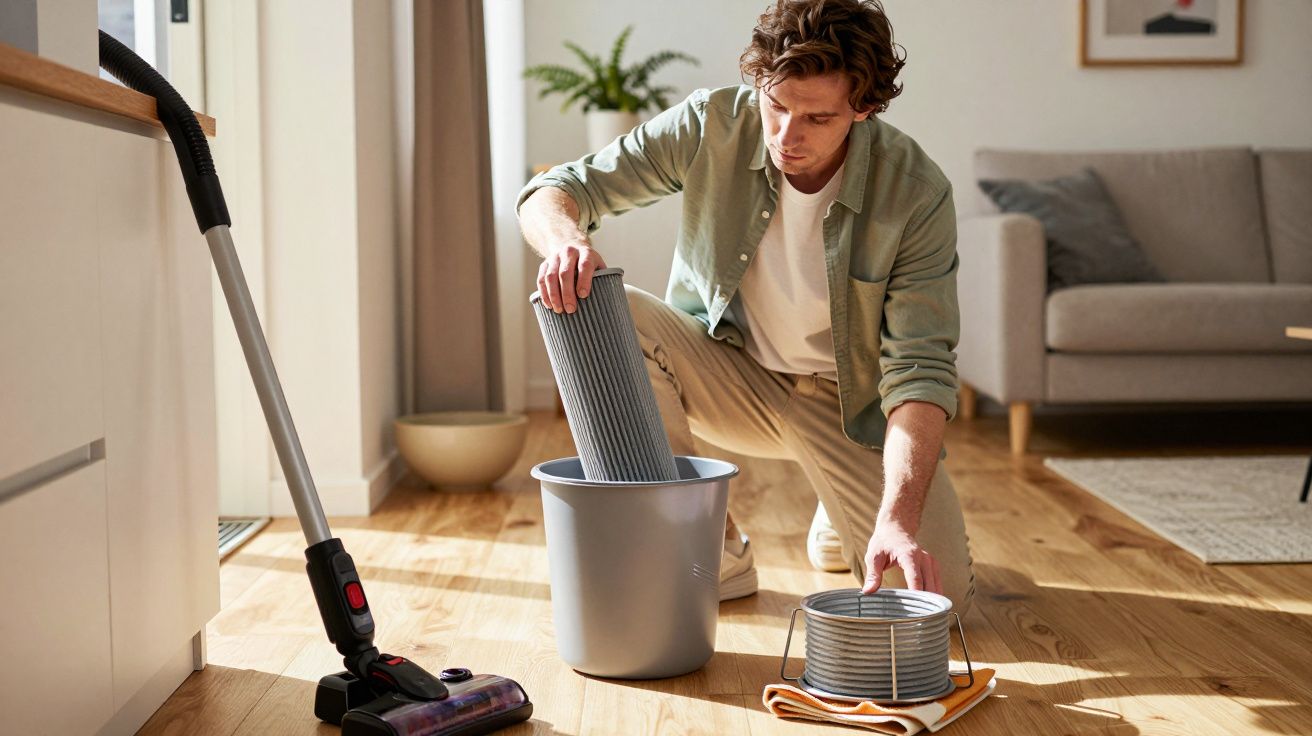
- Scheduled “quiet fixes”: seals, servicing, minor roof repairs, extractor cleaning-jobs that stop big jobs forming.
- A contingency line that’s real money, not optimism.
When the plan is stable, upgrades stop feeling like shocks. They become booked work, with calm emails and fewer late-night call-outs.
| Pressure in 2026 | What it triggers | Practical response |
|---|---|---|
| Higher scrutiny (insurers/lenders) | Demand for evidence and condition clarity | Photo-led surveys and tidy certification |
| Electrification momentum | Electrical and fabric constraints show up fast | Upgrade supply/insulation before new heating |
| Labour and lead-time risk | Delays become expensive, not just annoying | Sequence early, pre-book access and testing |
FAQ:
- Will I have to upgrade everything in 2026? No. But you’ll benefit from prioritising the items that reduce risk and prove compliance-roof integrity, electrics, fire safety documentation, and damp/ventilation control.
- Is property maintenance really part of “upgrading”? Yes. In 2026, maintenance records, servicing and planned renewals will increasingly determine how smoothly bigger upgrades (and sales, insurance, finance) can happen.
- What’s the first step if I’m starting from scratch? Get a condition survey with photos and remaining-life estimates, then build a staged 5–10 year plan with an annual budget and a documentation folder.
- Should I install a heat pump first to cut bills? Often not. Fabric and electrical readiness typically come first, otherwise the system underperforms and costs rise through remedial work.
- How do I keep costs from drifting? Define scope and sign-off upfront: what’s included, what “done” means, what testing/commissioning is required, and who provides the final documentation.



Comments (0)
No comments yet. Be the first to comment!
Leave a Comment