
Heating repairs are meant to make your home safer, warmer, and cheaper to run, but they can also expose the awkward truth of system interactions. Change one part of a boiler or heating circuit and the rest of the system has to respond - and sometimes it responds by failing in a new, confusing way. That’s why “it was fine until you fixed it” is a common (and usually fixable) chapter in winter call-outs.
I noticed it in a quiet semi on a wet Tuesday: the new pump purred, the radiators finally heated evenly, and then the hot water started swinging from scalding to lukewarm. The homeowner wasn’t imagining things. The repair worked - and it also shifted pressures, flows, and controls enough to reveal the next weakest link.
Why a good repair can still cause a new problem
Most heating systems are a chain, not a single appliance. When an engineer replaces a diverter valve, powerflushes a circuit, or swaps a thermostat, they’re changing the “balance” the system had settled into, even if that balance was inefficient. A fresh component can restore proper flow or temperature, which then puts old seals, tired sensors, or half-blocked pipework under conditions they haven’t seen in years.
The other factor is that modern controls are fussier (in a good way). Boilers modulate, pumps adapt, and smart thermostats make decisions every few minutes. After a repair, small installation details - air left in the system, a sticky zone valve, a mis-set bypass - can suddenly matter a lot.
The most common “new faults” after heating work
Some follow a familiar pattern. The system runs better, then throws a fault code, starts short-cycling, or makes a noise it never made before. Not because the engineer “broke” it, but because the fix changed the operating point.
Here are the usual suspects:
- Air released into the circuit after draining/refilling, causing gurgling radiators, pump cavitation, or loss of circulation.
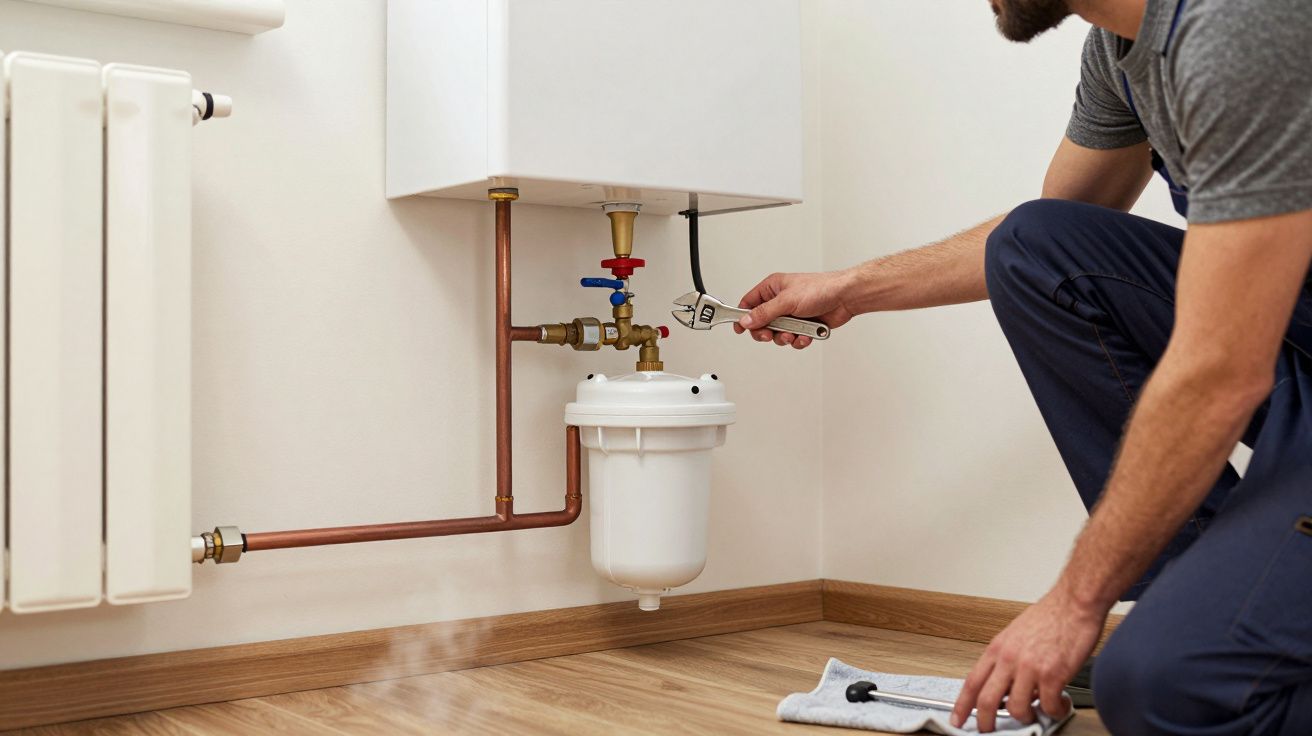
- Magnetite and debris stirred up by new flow rates, blocking a plate heat exchanger, filter, or radiator valve.
- Pressure swings after expansion vessel work, leading to repeated pressure loss or relief valve discharge.
- Controls misalignment (wiring centre, motorised valves, thermostat logic) that only shows up once heating/hot water demand changes.
- Condensate issues after servicing, especially in cold snaps, where a marginal pipe run freezes and the boiler locks out.
- Balancing problems when a new pump or TRVs change how water chooses its path through the house.
If you’ve got a combi boiler, the classic “new fault” is hot-water instability. If you’ve got a system boiler with a cylinder, it’s often a zone valve or thermostat interaction that suddenly reveals itself.
“It worked for a day, then stopped”
That delayed failure is common. Air migrates, debris moves, and the system goes through a few heat-up/cool-down cycles before the weak point complains. It’s frustrating, but it’s also a clue: faults that wait a day are often about movement (air, dirt, pressure), not a dead component.
The hidden role of system interactions: flow, pressure, and control logic
A heating system behaves like plumbing, electrics, and software at the same time. When you change one piece, three things can shift.
Flow: New pumps, freed-up valves, or a cleaned heat exchanger can increase circulation. That can improve heating - and also dislodge sludge that had been sitting quietly in a low-flow corner.
Pressure: A correctly charged expansion vessel stops pressure climbing when water heats up. If the vessel is flat (or incorrectly recharged), pressure rises, the relief valve lifts, and then you “mysteriously” lose pressure over days.
Control logic: Smart stats, OpenTherm, weather compensation, cylinder stats, and motorised valves need to agree on who is calling for what. After a repair, a single wire moved to the wrong terminal can create odd symptoms: radiators warm when you run a hot tap, or the boiler fires for 30 seconds and stops, repeatedly.
What to check first (before you book another emergency visit)
You don’t need to become an engineer, but a calm five-minute check can save a lot of guesswork. Keep it simple and safe: don’t remove boiler covers, don’t open gas components, and stop if anything smells of gas or looks scorched.
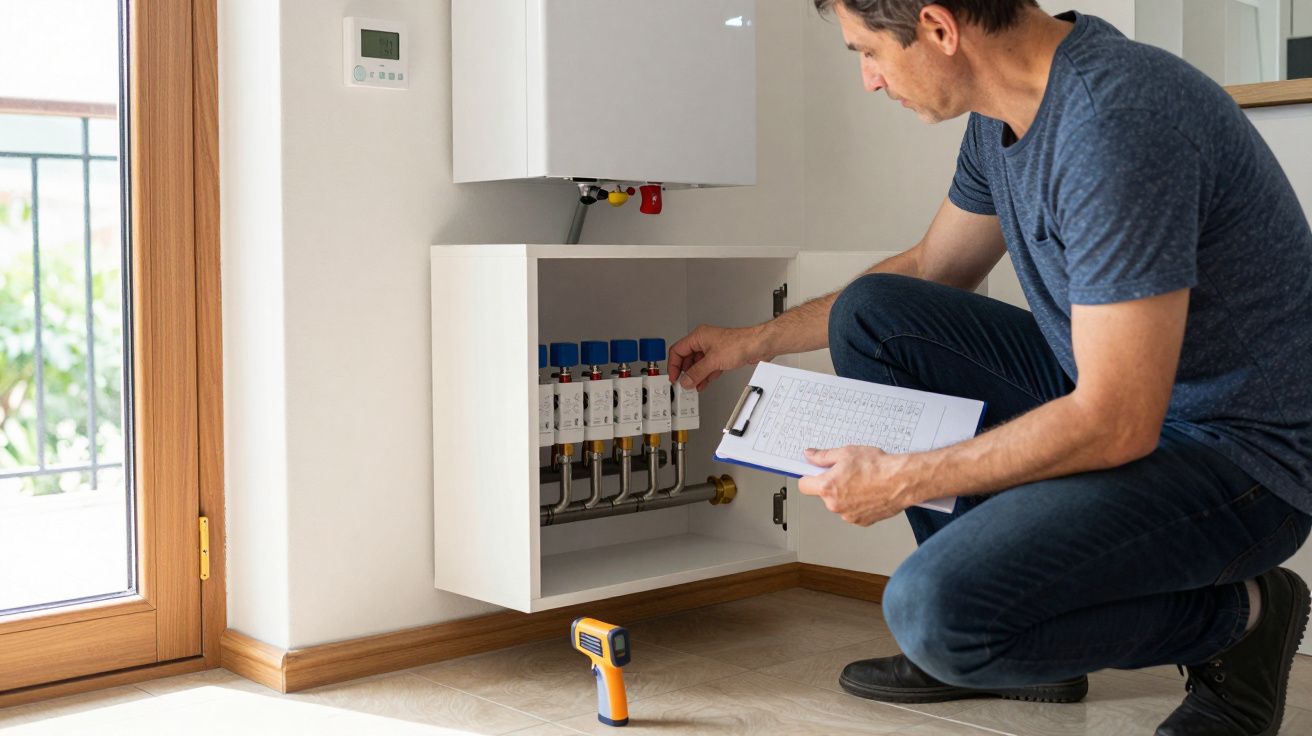
- Boiler pressure (sealed systems): cold pressure typically around 1.0–1.5 bar (many manufacturers sit in this range). If it’s low, you may have a leak or air purge aftermath; if it’s high when hot, suspect expansion issues.
- Bleed radiators once, then recheck pressure: if you release air, you often need to top up afterwards.
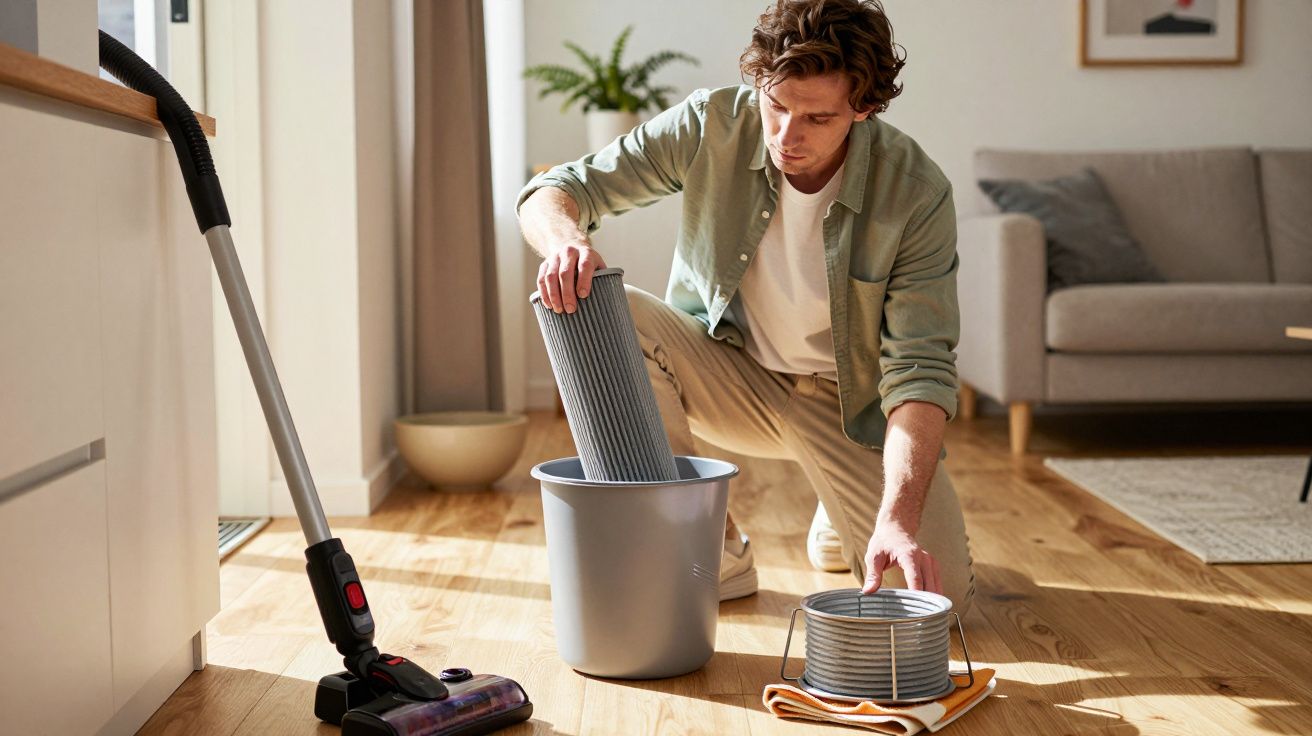
- Filter/magnetic trap: if you have one and it’s serviceable externally, check whether it’s due to be cleaned after disruptive work (your engineer can do this quickly).
- Thermostat/zone schedule: make sure a “smart” schedule hasn’t reverted, duplicated, or created overlapping calls.
- Listen for the pump: a rattly, gravelly sound can indicate air or debris.
If you have a carbon monoxide alarm and it’s sounding (or you feel unwell), shut the system down, ventilate, and call for urgent help. That’s not a “new fault”; that’s an emergency.
How to reduce the risk next time you book a repair
Most of the prevention is about expectation-setting and follow-up, not perfection. A good engineer will often suggest a short return visit after major work because systems settle.
Ask for these basics:
- A proper purge and bleed after refilling, including checking that radiators heat top-to-bottom and that the pump isn’t cavitating.
- A quick system water check (inhibitor concentration and visible sludge risk). If it’s dirty, discuss flushing and filtration rather than chasing component failures one by one.
- Controls confirmation: “Can you show me heating only, hot water only, and both?” Watching the sequence once catches many wiring/valve issues.
- Benchmark and fault notes: a brief record of what was changed and why helps if symptoms reappear.
Let’s be honest: most of us just want heat back on, fast. But a two-minute “prove it in all modes” demonstration at the end of the job is where many new faults get prevented.
When to call the engineer back - and what to say
If the issue started immediately after the work, call the original installer first and describe symptoms, not theories. “Pressure drops overnight” and “hot water pulses hot-cold” are more useful than “the new part is faulty”.
Useful details to share:
- Boiler make/model and any fault code
- Current cold pressure and what it rises to when hot
- Whether the issue affects heating, hot water, or both
- Any recent topping-up, bleeding, or visible leaks
- Whether the problem is constant or only at certain times (morning, after showers, during heating demand)
If you’ve had repeated call-backs and nothing sticks, that’s when a second opinion can help - ideally from an engineer experienced with your boiler type and control setup.
A quick “cause and effect” cheat sheet
| Symptom after repair | Often linked to | Typical fix route |
|---|---|---|
| Gurgling radiators, rattly pump | Air introduced/migrating | Bleed, purge, recheck pressure |
| Pressure rises a lot when heating, then drops | Expansion vessel/PRV | Recharge vessel, check PRV, check leaks |
| Hot water goes hot-cold (combi) | Flow/plate HEX/sensor | Clean filter/HEX, verify flow rate, check NTC |
| Heating works, hot water doesn’t (or vice versa) | Zone/diverter/control wiring | Test valves, end-switches, demand signals |
FAQ:
- Is it normal for problems to show up after heating repairs? It’s not “ideal”, but it is common. Repairs can change flow, pressure, and control behaviour, which can expose air, debris, or tired components that were already close to failing.
- Should I keep topping up boiler pressure if it keeps dropping? Occasional topping up after bleeding can be normal, but repeated top-ups usually indicate a leak, a lifting pressure relief valve, or an expansion vessel issue. Frequent topping up can accelerate corrosion, so it’s worth getting checked.
- Could the new part be faulty? It’s possible, but less common than air/debris/setting issues. The fastest route is usually verifying installation, bleeding/purging, cleaning filters, and checking controls before condemning the new component.



Comments (0)
No comments yet. Be the first to comment!
Leave a Comment