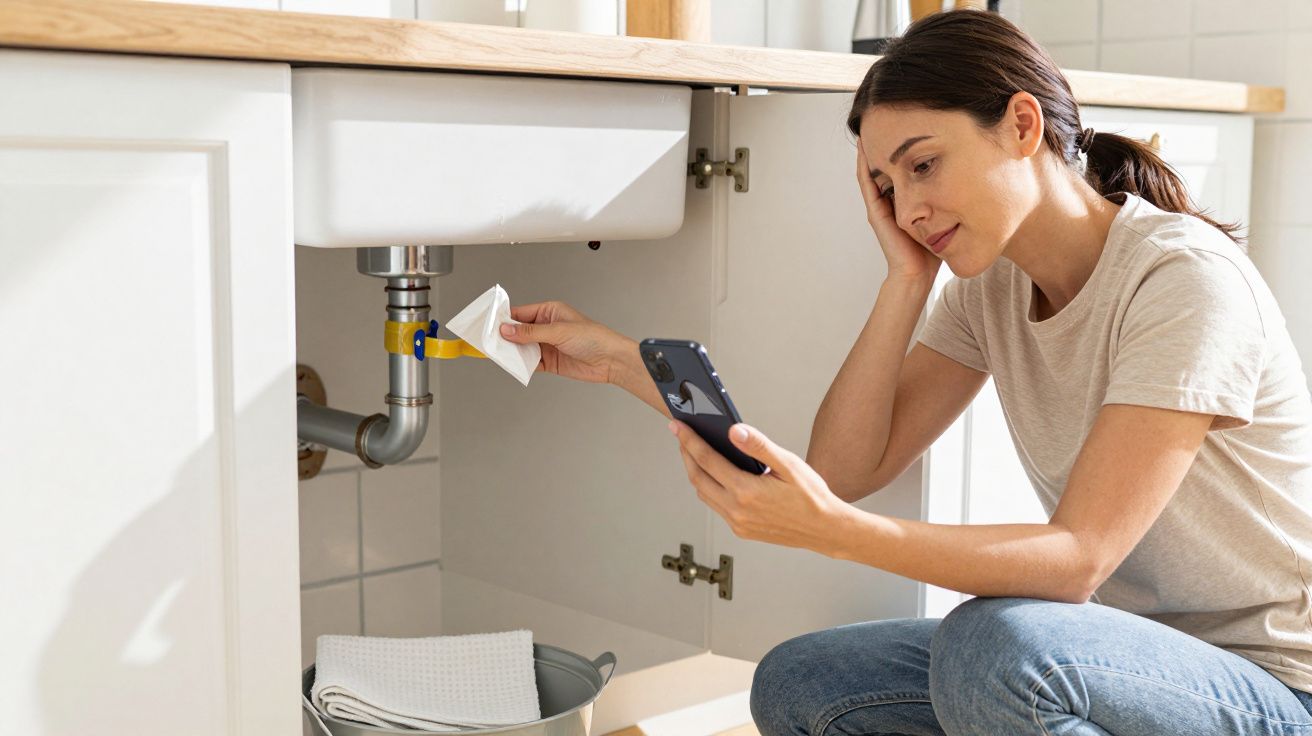
The drip starts as background noise, then turns into a small panic when you spot the water line creeping along the skirting board. In that moment, emergency plumbing repairs feel like rescue - but they can also plant postponed problems that bloom later, quietly, behind plaster and under floors. Knowing which “quick fixes” are safe and which ones are just a pause button can save you a second call-out, a bigger bill, and a lot of avoidable mess.
At 2am, you don’t want a lecture. You want the leak stopped, the toilet flushing, the heating back on, and the house to stop smelling like damp pennies. The problem is that urgency changes our standards: “working” starts to mean “not actively flooding”, and that’s a very low bar for something that has to survive winter, pressure changes, and daily use.
The hidden cost of “it’ll do for now”
A good emergency repair is designed to be temporary on purpose. It’s a controlled stopgap that keeps you safe until a proper fix can be planned, priced, and fitted. A bad emergency repair is different: it looks finished, but it’s fundamentally compromised.
You can often tell the difference by what the solution optimises for. Temporary fixes optimise for speed and containment. Permanent fixes optimise for access, diagnosis, and the boring details - correct fittings, correct pipe prep, correct support, correct sealing method.
The danger isn’t the emergency repair itself. The danger is mistaking a stabiliser for a cure.
And that’s where postponed problems get you. The water stops today, so your brain files it as “sorted”. Meanwhile, the original cause - corrosion, movement, scale, poor ventilation, excessive pressure - keeps doing its slow work.
Why quick plumbing fixes fail later (even when they look neat)
Most future faults fall into a few predictable categories. They’re not moral failings; they’re physics, chemistry, and time.
1) The leak moved, it didn’t disappear
Stopping water at one visible point can simply push pressure to the next weak spot. A pinhole in copper might be the first sign of thinning pipework, not a one-off defect. Patch it, and the next pinhole appears 30 cm along, usually in a harder-to-access place.
This shows up a lot with older pipe runs under suspended timber floors or boxed-in bathroom feeds. You fix the obvious, then the system tests you somewhere else.
2) “Temporary” materials weren’t treated as temporary
There are products that are genuinely useful in an emergency - repair clamps, self-fusing silicone tape, epoxy putty. The issue starts when they’re left in place for months (or years), especially in warm cupboards, under sink drips, or on heating pipework.
Heat cycles, vibration, and tiny movements from turning taps on and off gradually loosen anything that wasn’t meant to be the final word. Even if it holds, it can hide slow seepage that rots chipboard and grows mould in silence.
3) The root cause was never identified
A dripping pressure relief valve on a boiler might be a symptom of expansion vessel issues. A constantly “leaking” toilet may be a worn washer - or it may be high mains pressure stressing the fill valve. A recurring blocked kitchen waste line can be grease - or a partial collapse, or incorrect fall.
If the emergency repair targets only the symptom, it can buy comfort while the underlying fault keeps escalating.
The biggest repeat offenders (and what they turn into)
Some emergency fixes are more likely than others to create future faults. Here are the common ones plumbers get called back for.
- Over-tightened compression joints that stop a drip today but distort the olive, leading to a weep later.
- Push-fit fittings on poorly prepared pipe (not cut square, burrs left on, no insert where needed), which can hold briefly then fail under vibration.
- Flexible tap tails under tension because the valve doesn’t line up, which eventually fatigues and splits.
- “Chemical unblockers solved it” drains that clear a channel but leave sludge on pipe walls, increasing the chance of repeat blockages - sometimes with softened seals as a bonus.
- Silicone over the symptom (around a shower tray, bath edge, or waste) which hides movement or a failed seal below, letting water track behind walls.
None of these are exotic mistakes. They’re normal shortcuts made under stress, in the dark, with water running where it shouldn’t.
The “chairdrobe effect” of plumbing: a visible pause button
There’s a particular psychological trap in home emergencies: once the crisis noise stops, your brain wants the job to be over. The bucket is empty, the floor is dry, the house feels calm again. That calm becomes proof.
So the temporary fix becomes a kind of plumbing chairdrobe - a place you park the decision because you’re depleted. You’re not negligent; you’re tired and relieved, and you’d like to not think about pipework for a while.
What makes postponed problems expensive is that they’re quiet. They don’t demand attention until they’ve grown.
Signs your “done” is really “not yet”
If any of these are true, you’re probably living with a delay, not a repair:
- You still need to keep a valve partially shut to stop noise or dripping.
- The fix relies on tape, putty, sealant, or a clamp in a permanent location.
- You can’t explain what caused the failure in the first place.
- There’s staining, swelling, or a persistent musty smell near the area.
- It failed once already, then “settled” after you tightened it again.
Turning an emergency fix into a safe plan (without overreacting)
You don’t need to rip out your bathroom because a joint dripped once. You do need a simple handover from “stop the damage” to “stop the cause”.
The 48-hour follow-up that prevents most call-backs
Treat the day after as part of the repair, not an optional extra. Here’s a compact routine that works:
- Check for moisture: dry tissue around the joint, valves, and the underside of units; look for fresh damp.
- Check for movement: gently test exposed pipework; unsupported runs often telegraph future leaks.
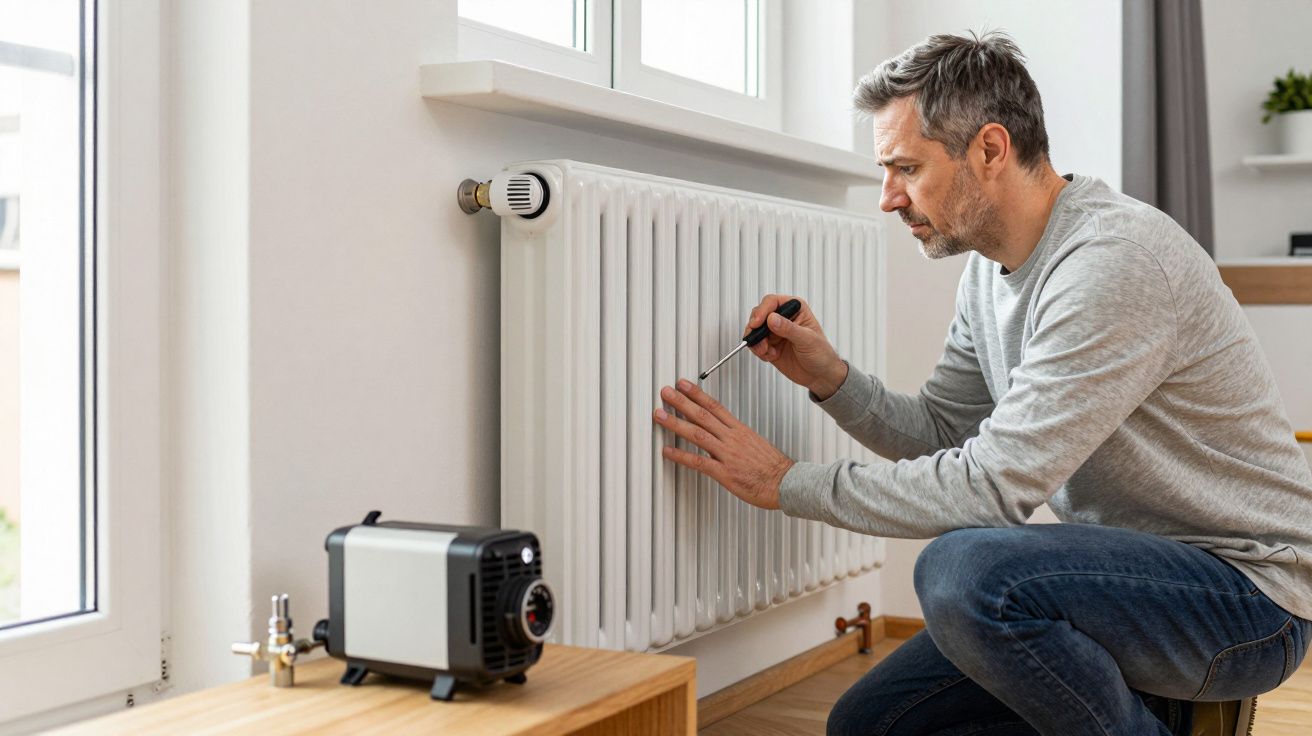
- Check pressure behaviour: note if taps hammer, if the boiler pressure climbs, or if the toilet refills randomly.
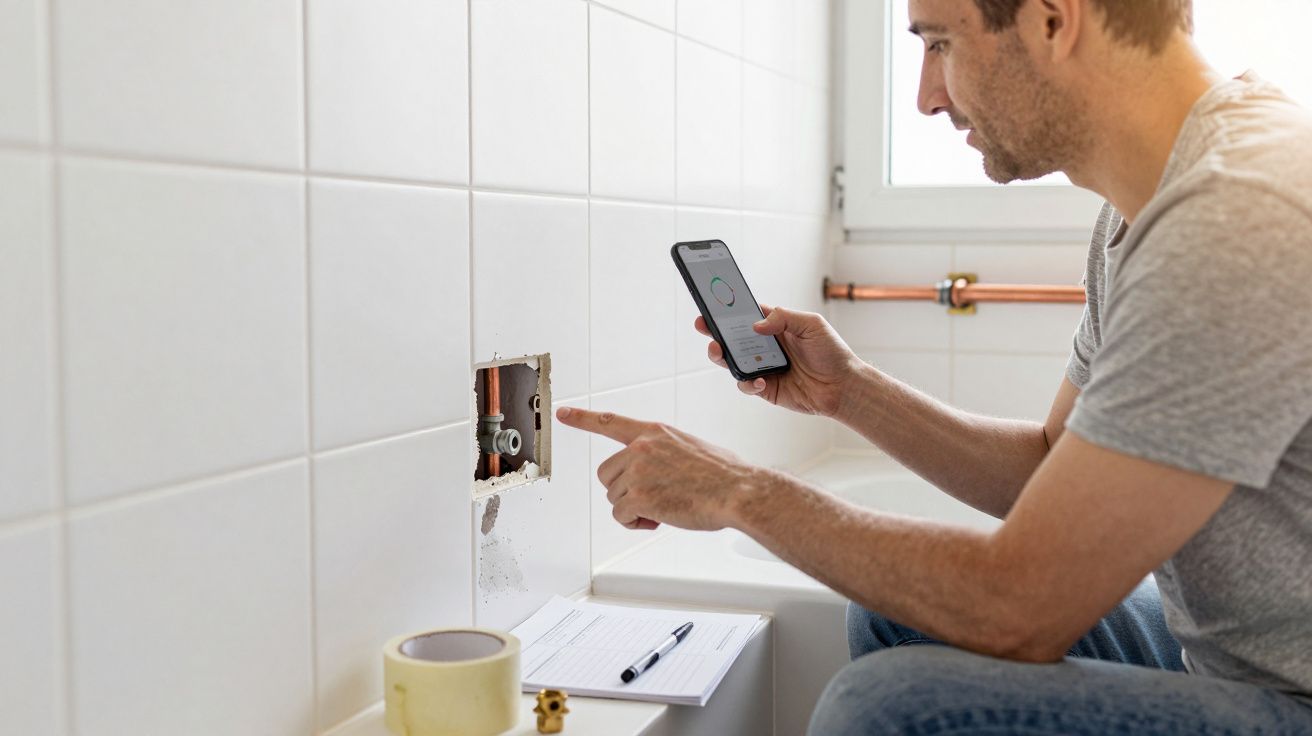
- Photograph and date the repair area (especially if it’s going to be boxed in again).
- Book the proper fix if any temporary material is in place, even if it “seems fine”.
This is not paranoia. It’s giving the situation one calm, daylight look - the kind you didn’t get during the emergency.
A simple “temporary vs permanent” cheat sheet
| Emergency measure | Good for tonight | What it often becomes if left |
|---|---|---|
| Repair clamp / tape | Stopping active spray/leak | Hidden seep and rot behind units |
| Extra tightening on a joint | Slowing a drip | Distorted fitting, repeated weeps |
| Silicone around a wet area | Short-term splash control | Trapped water, mould, loose tray |
When to call someone back immediately
Some postponed problems shouldn’t be postponed at all. If you notice any of the following, treat it as urgent:
- Water near electrics, downlights, or a consumer unit.
- A ceiling bulge, cracking plaster, or brown staining spreading.
- Boiler pressure that keeps rising or dropping without explanation.
- A smell of gas (leave the property and call the emergency gas number).
- Repeated blockages within days, especially if multiple fixtures are affected.
Speed matters here because water damage isn’t just cosmetic - it’s structural, electrical, and sometimes a health issue.
Make the emergency fix work for you
The goal is not to feel guilty about a rapid patch. The goal is to use it as a stabiliser while you make better decisions with a clear head.
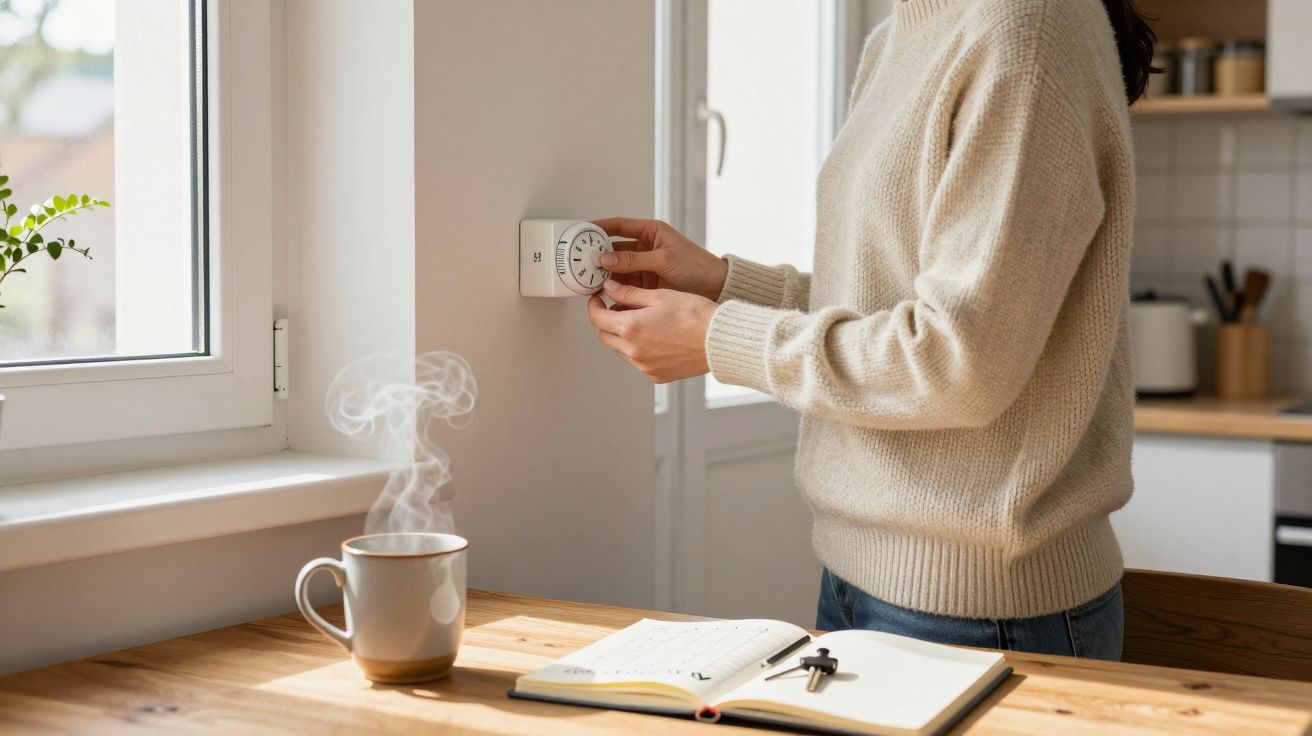
Write one sentence on your phone notes: “What failed, where, and what we did to stop it.” Add one reminder: “Proper repair by [date].” That tiny admin step is often the difference between a controlled repair and a slow, expensive rediscovery six months later.
Emergency plumbing repairs are sometimes lifesavers. Just don’t let the relief trick you into thinking the story is finished - because postponed problems are patient, and plumbing always gets another turn.



Comments (0)
No comments yet. Be the first to comment!
Leave a Comment