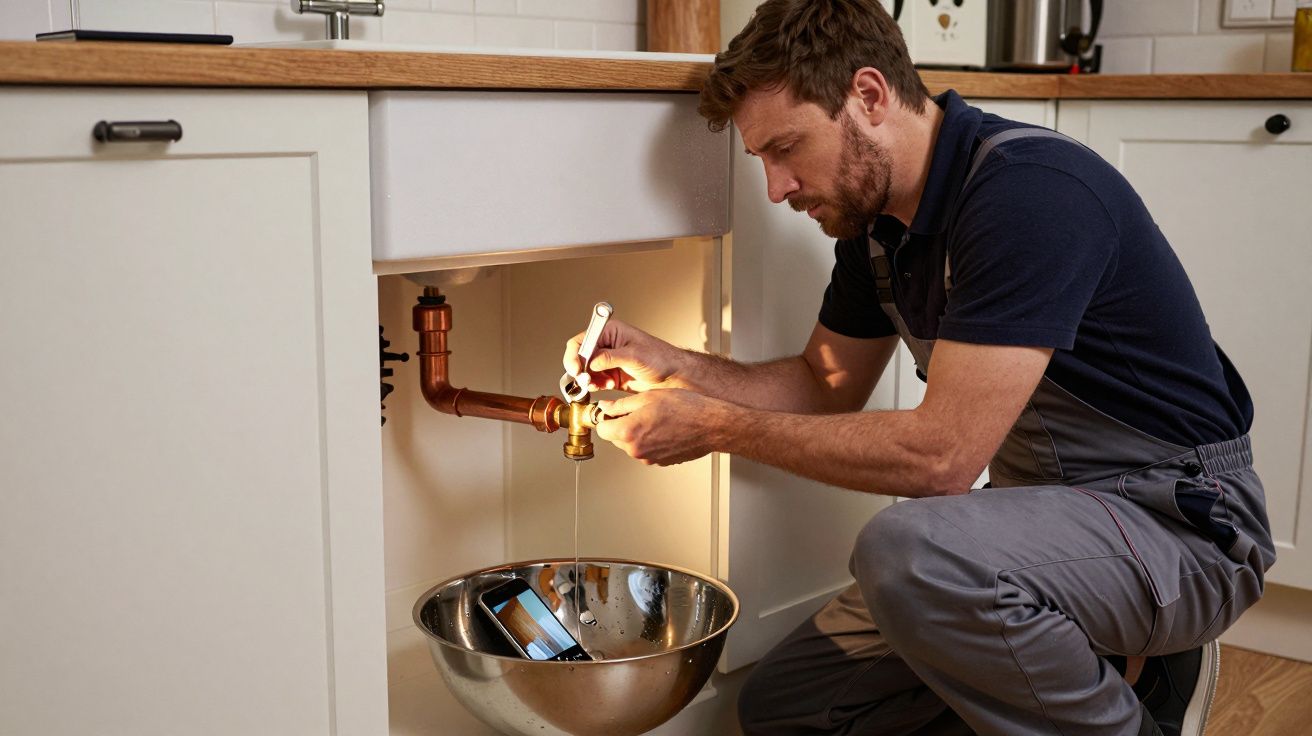
The call usually starts the same way: a drip that turns into a roar, a ceiling that blooms brown, a boiler that dies on the coldest night of the year. In that moment, 24-hour plumbers feel like the lifeboat, but the wrong one can turn a manageable leak into a long-term risk for your home and your wallet. Emergency work is real work, yet the incentives are different at 2am, and so are the shortcuts.
I learnt this watching a friend in a Victorian terrace near Manchester, torchlight bouncing off a kitchen ceiling while water ticked into a washing-up bowl. The first plumber arrived fast, confident, and loud. Ninety minutes later the leak had stopped-until morning, when the pipe split again, the stopcock jammed, and the floorboards started to cup.
Why emergencies are where bad plumbing thrives
An emergency is the easiest place to sell certainty. You’re tired, worried, and you can hear the problem. A decent engineer will still diagnose, isolate, and explain, but the cowboys lean on urgency: “It’s dangerous,” “It can’t wait,” “It’s all got to come out.”
There’s also a practical truth: emergencies reward speed over neatness. When someone is racing a rising waterline, they might choose the quickest temporary fix, then never come back to make it permanent. The damage isn’t always immediate; it’s the quiet aftermath-slow seepage, stressed fittings, moisture trapped behind plaster-that becomes expensive later.
Here’s the bit nobody wants to admit at midnight: stopping the symptom isn’t the same as fixing the cause.
The common “fixes” that make things worse
The patterns repeat because they work-briefly. They buy silence, not safety.
- Over-tightening compression fittings. It stops a drip now, then cracks an olive or distorts the pipe so it weeps later.
- “Chemical solutions” tipped into systems. Sealants in heating circuits can clog valves, pumps and plate heat exchangers, turning one fault into three.
- Push-fit in the wrong place. Fine when installed correctly; risky when shoved onto scratched copper, un-deburred pipe, or fitted where it’ll be knocked.
- No isolation, just improvisation. If they don’t locate the correct stop tap / service valves, they may drain down more than needed or leave sections pressurised and vulnerable.
- Hidden joints left inaccessible. A joint buried behind fresh plaster, under a bath panel screwed shut, or wrapped in insulation with no inspection point is a future leak with a delayed timer.
A neighbour once showed me a “repaired” overflow where a bodged connector had been taped and shoved back behind the bath. It held for two weeks-just long enough for damp to creep into the stud wall and start lifting the vinyl in the hallway.
What a good emergency plumber actually does (even under pressure)
The best 24-hour plumbers look almost slow at first, because they’re buying control. They isolate, reduce pressure, and make the situation predictable before they touch the failing part.
A solid emergency visit usually includes:
- Make safe: isolate water/gas/electric as appropriate, and confirm it’s genuinely off.
- Stop further damage: contain water, relieve pressure, and protect nearby electrics and finishes.
- Identify the failure mode: split pipe, failed washer, pinhole corrosion, frozen section, PRV discharge, blocked waste, boiler lockout.
- Choose the right “now” fix: a proper temporary cap, a short pipe replacement, or a reliable valve swap-not tape and hope.
- Explain the next step: what must be monitored, what needs returning for, and what you should photograph for insurance.
If they can’t tell you what failed and why, you’re not buying expertise-you’re buying a pause button.
The long-term risk: it’s usually damp, not drama
The scary part isn’t the flood you can see; it’s the moisture you can’t. A rushed fix can trap water in ceilings, walls and floors, where it quietly does the slow, costly work: mould, rotten joists, delaminated plaster, warped laminate, and corroded fixings.
The warning signs tend to arrive days later, when the adrenaline has gone:
- A faint musty smell that wasn’t there before
- Paint that starts to bubble or crack in a line
- A “fixed” joint that looks dry, but leaves green staining on copper
- Floors that feel slightly springy or boards that lift at the edges
- Boiler pressure that keeps dropping after a “quick top-up”
If the emergency plumber doesn’t mention drying, access, or follow-up checks, you may be inheriting the risk.
How to protect yourself while still getting help fast
You don’t need to become a plumber. You just need a small script that keeps the job on rails when you’re stressed.
Before they start:
- Ask: “What are you isolating first, and how will you test it’s off?”
- Ask: “Is this a temporary make-safe or a permanent repair tonight?”
- Request a rough price structure: call-out, first hour, additional hours, parts, and any premium.
While they work:
- Take quick photos of the leak area and any visible damage before it’s disturbed.
- If something is being replaced, ask to see the failed part. Honest tradespeople don’t mind.
- If they propose chemical sealant, ask what component they suspect is leaking and why a mechanical repair isn’t possible now.
Before they leave:
- Get a written note (text is fine) stating what was done, what wasn’t, and what to watch for.
- Ask what access panels were opened and what needs drying/ventilating.
- Confirm whether there’s a guarantee on the repair and for how long.
The goal isn’t to interrogate. It’s to prevent the “job done” moment from being built on guesswork.
If you suspect the emergency repair is a bodge
Act early, while the trail is fresh.
- Check for moisture around the repair and below it (kitchen units, ceiling beneath bathrooms, skirting boards).
- Document everything: photos, times, invoices, messages, and any new staining.
- Get a second opinion if the fix looks temporary but was sold as permanent, or if the issue returns within days.
- Don’t plaster over wet areas until you’re confident the source is resolved and the structure has dried.
A proper repair sometimes still fails-pipes can be rotten, systems can be old. The red flag is when the failure repeats because the first visit never addressed the underlying cause.
A calmer way to use 24-hour plumbers
The best time to find an emergency plumber is not during an emergency. Store two numbers: one local independent with reviews you’ve read, and one larger firm with proper registration details and clear pricing. If you rent, know your landlord or managing agent’s out-of-hours process before the next bank-holiday leak.
Emergencies will always feel chaotic, but the fix doesn’t have to be. A good make-safe buys you time; a bad one sells you a future.
| What goes wrong | What it can lead to | What to ask for instead |
|---|---|---|
| “Quick fix” with hidden joints | Slow leaks, damp, repeat call-outs | Accessible repair + follow-up plan |
| Chemical sealants in heating | Blocked components, bigger bills | Diagnose leak source, mechanical fix |
| No isolation strategy | More damage during work | Confirm valves off + tested |
FAQ:
- Can a plumber legally charge anything for an emergency call-out? They can set their own rates, but they should be clear about pricing and get your agreement. Ask for the call-out fee and hourly rate before work starts.
- Is it normal for an emergency repair to be temporary? Sometimes, yes-especially if parts aren’t available at night. The key is whether it’s explained as a make-safe, with a clear plan to return and finish properly.
- What’s the biggest long-term risk after a leak is “fixed”? Trapped moisture leading to mould and structural decay. Ventilate, dry out properly, and monitor for new staining or smells over the next week.
- Should I use leak sealant in my boiler or heating system? Only with caution and ideally on professional advice. It can create further faults by clogging components; a mechanical repair is usually safer where possible.
- How do I spot a trustworthy 24-hour plumber quickly? Look for transparent pricing, willingness to explain the diagnosis, proper paperwork, and a focus on isolation and make-safe first-not pressure and vague warnings.




Comments (0)
No comments yet. Be the first to comment!
Leave a Comment