
Heat pumps look simple on a brochure: a neat outdoor unit, a whisper of warm radiators, and lower bills. But heat pump planning is where the real success or failure gets decided, because it forces a clear-eyed check of property suitability before anyone touches a spanner. Get that early assessment right and you avoid the most expensive kind of disappointment: a system that technically “works” but never feels comfortable.
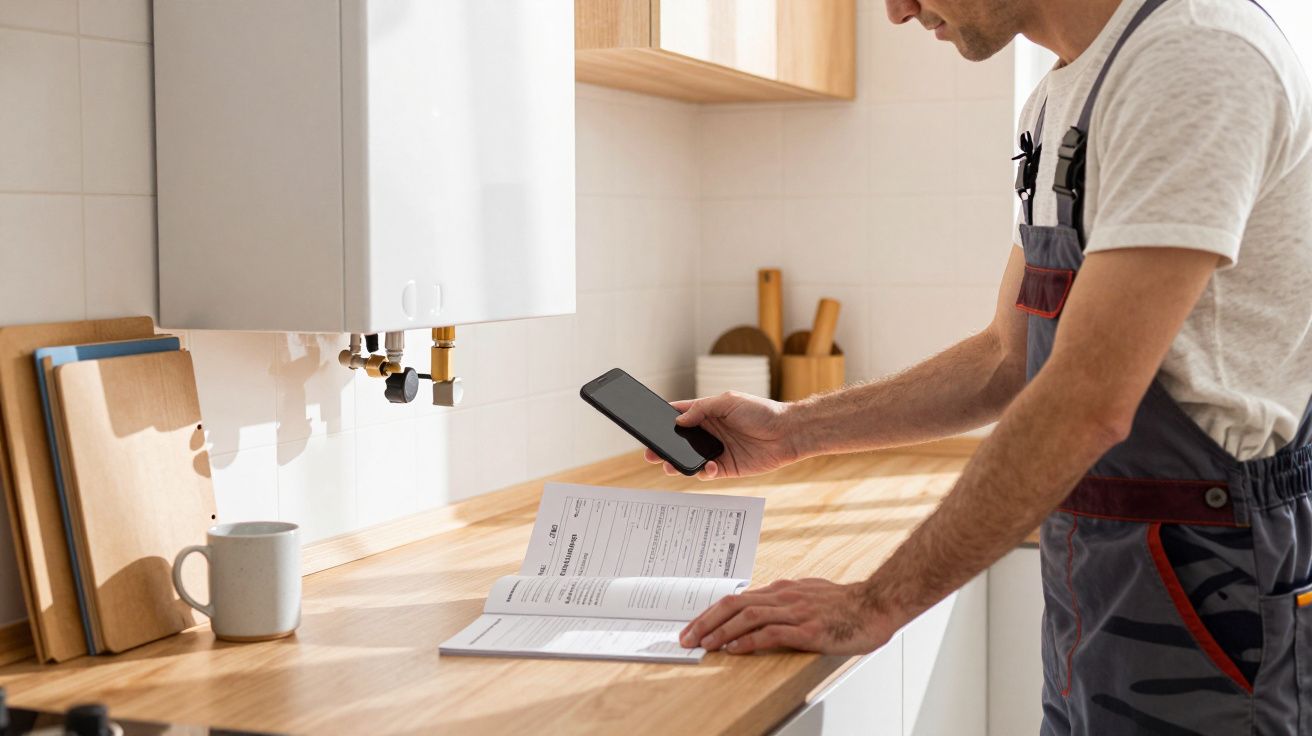
It often starts at the kitchen table with a few awkward questions. How warm do you like the house, which rooms never quite behave, and what’s your hot-water routine-quick showers or long baths that empty the cylinder on a Sunday? Then the engineer begins the quiet detective work: measuring, calculating, and looking for the things you stop noticing once you’ve lived with them for years.
The first visit isn’t sales. It’s a heat-loss reality check
Before sizing a heat pump, engineers work out how quickly your home leaks heat on a cold day. That means walking the building, noting construction types, and turning “it’s a bit draughty” into numbers a system can be designed around.
They’ll typically assess:
- Wall type (solid brick, cavity, timber frame) and whether cavities are filled
- Loft insulation depth and continuity around eaves and hatches
- Floor type (suspended timber vs solid) and any obvious draught paths
- Window glazing, frame condition, and evidence of cold bridging or damp
You can almost feel the mindset shift here. Boilers forgive guesswork because they can blast high temperatures to paper over problems; heat pumps reward accuracy because they’re designed to run steadily at lower flow temperatures. This is why proper surveys feel slow: the point is to stop relying on hope.
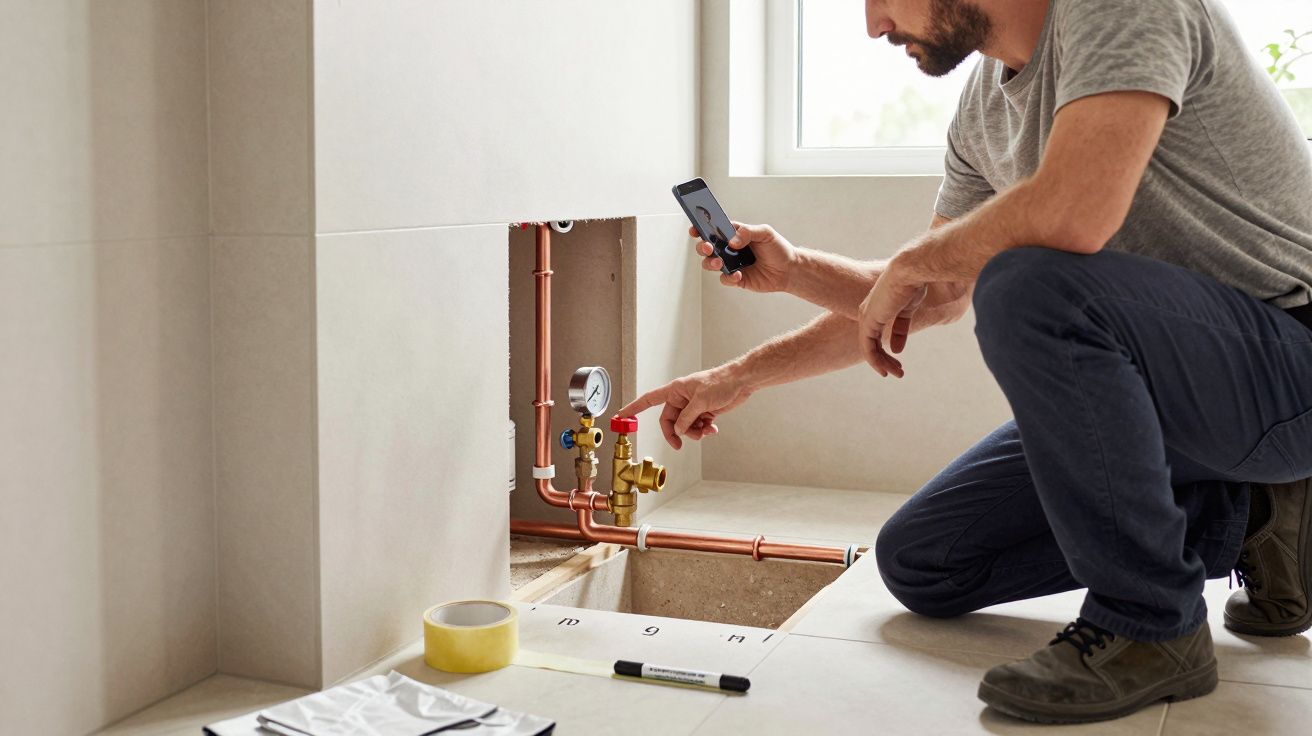
Radiators and pipework: can the house deliver heat at lower temperatures?
The next question isn’t “Can a heat pump heat this home?” It’s “Can this home release enough heat into rooms with a lower-temperature system without constant backup?” That’s where emitter checks come in.
Engineers will look at radiator sizes (often noting height, width, and type), then estimate output at heat-pump-friendly temperatures. A radiator that’s fine at 70°C flow may be underpowered at 45°C, especially in a larger room with two external walls.
Common findings include:
- One or two radiators that are clearly too small for the room
- Microbore pipework that may restrict flow rates in some layouts
- A mix of old valves and partially blocked radiators that hide poor circulation
- A need for additional emitters (bigger radiators, or sometimes fan convectors) in specific rooms
If you’re worried this means “replace every radiator,” don’t panic. Many homes only need targeted changes, but the assessment has to be honest. Comfort is the goal, not the badge.
Hot water habits and cylinder space: the bit people forget to plan for
Hot water is where expectations can quietly clash with physics. Heat pumps heat water more slowly than combi boilers, so storage and recovery matter. Engineers will ask how many people live there, whether you run multiple showers back-to-back, and how much space you have for a cylinder.
They’ll usually check:
- Whether you already have a hot-water cylinder, and its size and condition
- If there’s space (and access) for a correctly sized cylinder with a heat-pump coil
- Where pipe routes can run without turning your airing cupboard into a building site
- What temperatures you’ll need for hot water and legionella control cycles
A well-designed setup feels boring-in the best way. You don’t “manage” it daily; it just keeps up with your life. The planning stage is where that boring reliability gets built in.
Outdoor unit location: noise, airflow, and neighbour-proofing
The outdoor unit needs room to breathe and a location that won’t create arguments. Engineers assess airflow clearances, mounting options, and how sound might travel-especially at night when background noise drops.
They’ll often consider:
- Distance to bedrooms (yours and next door’s) and reflective surfaces that bounce sound
- Safe condensate drainage routes for defrost water in winter
- Wall strength for brackets, or a stable base for ground mounting
- Protection from snow drifts, leaves, and tight corners that choke airflow
This is also where practicality shows up. A perfect technical location that blocks bins, trips a walkway, or makes maintenance impossible is not actually perfect.
Electrics, controls, and the “hidden” upgrade work
Even when the heating side is straightforward, homes can stumble on electrics. Heat pumps need a dedicated supply, suitable isolation, and sensible control wiring. Engineers will look at your consumer unit, earthing arrangements, and where cables can be run neatly.
They’ll also discuss controls: weather compensation, room stats, zoning, and how the system should behave when the outside temperature swings. Heat pumps run best when they’re allowed to modulate smoothly, not when they’re treated like an on/off boiler.
A useful way to think about it is this: the install isn’t just a box swap. It’s a small redesign of how your home makes and moves heat.
Planning permission and paperwork: what gets checked before anything gets booked
In the UK, many installations fall under permitted development, but not all. Engineers (and competent installers) will flag constraints early, because delays often come from the boring bits: paperwork, distances, and evidence.
Typical checks include:
- Whether the property is listed or in a conservation area
- Outdoor unit placement rules and proximity to boundaries
- MCS requirements (if you’re aiming for certain funding routes) and documentation needs
- What warranties require in terms of commissioning data and servicing access
If something’s borderline, a good survey doesn’t shrug-it proposes options. Move the unit, adjust the base, reroute pipework, change the cylinder plan. Solutions exist; surprises are what hurt.
| What’s assessed | What they’re really protecting you from | What you can do now |
|---|---|---|
| Heat loss & insulation | Underpowered system, high running costs | Top up loft insulation, seal obvious draughts |
| Radiators & flow | Cold rooms, noisy circulation, constant backup heat | Note small radiators in big rooms; bleed/check valves |
| Outdoor unit siting | Noise complaints, poor performance, icing issues | Identify clear space and drainage route |
FAQ:
- Do engineers always need a full room-by-room heat-loss calculation? For a properly designed system, yes. It’s the foundation for sizing the heat pump and checking radiator outputs rather than guessing.
- Will I definitely need new radiators? Not necessarily. Many homes only need a few upgraded emitters, but it depends on your heat loss and the temperatures the system will run at.
- Is microbore pipework a deal-breaker? Not automatically. It can limit flow in some systems, so the engineer will assess layout and performance risk before deciding on changes.
- Can a heat pump work in an older UK house? Often, yes-if property suitability is addressed honestly with insulation, draught control, and correctly sized emitters.
- What should I prepare for a survey visit? Recent energy bills, a list of comfort problems by room, your hot-water routine, and access to the loft/cylinder area help the engineer plan accurately.




Comments (0)
No comments yet. Be the first to comment!
Leave a Comment