
You can feel it in the way quotes land now: the labour line jumps, the lead time stretches, and suddenly the “quick refresh” becomes a three‑month choreography. Home renovations used to be planned around weekends and bank holidays; the 2026 outlook pushes you to plan around supply chains, policy deadlines, and who you can actually book. That shift matters because the costliest mistakes next year won’t be bad tiles-they’ll be bad timing and missing paperwork.
Most people don’t wake up excited about admin. They wake up to a leaking valve, a draughty nursery, or a kitchen that’s stopped working for the way their life works now. 2026 doesn’t change the reasons we renovate. It changes the rules of engagement.
The quiet change: 2026 rewards preparation, not bravery
There’s a particular kind of stress that comes from starting a job before you’ve made the key decisions. You open a wall and discover the wiring is older than the house listing suggested. You order windows and learn the “six weeks” was optimistic. You assume a rebate is automatic and later find out it’s a claim that lives or dies on model numbers.
The 2026 pattern is simple: projects go smoother when you treat them less like a sprint and more like a small system. Not slower-just structured. The wins come from doing a few boring things early, before you spend the first pound.
“People think the risk is the builder. Often it’s the plan: scope creep, missing specs, and a paper trail that can’t survive scrutiny,” says a Sheffield-based renovation project manager who spends half her week unpicking avoidable messes.
What to lock in first (before you pick paint)
Start with the parts that are hard to change once work begins: energy performance, heating approach, ventilation, and the order of trades. The temptation is to choose finishes because they’re fun and visible, but 2026 pricing punishes rework. Moving a radiator after plastering hurts in any year; next year it will hurt more.
A practical sequence that saves money and nerves:
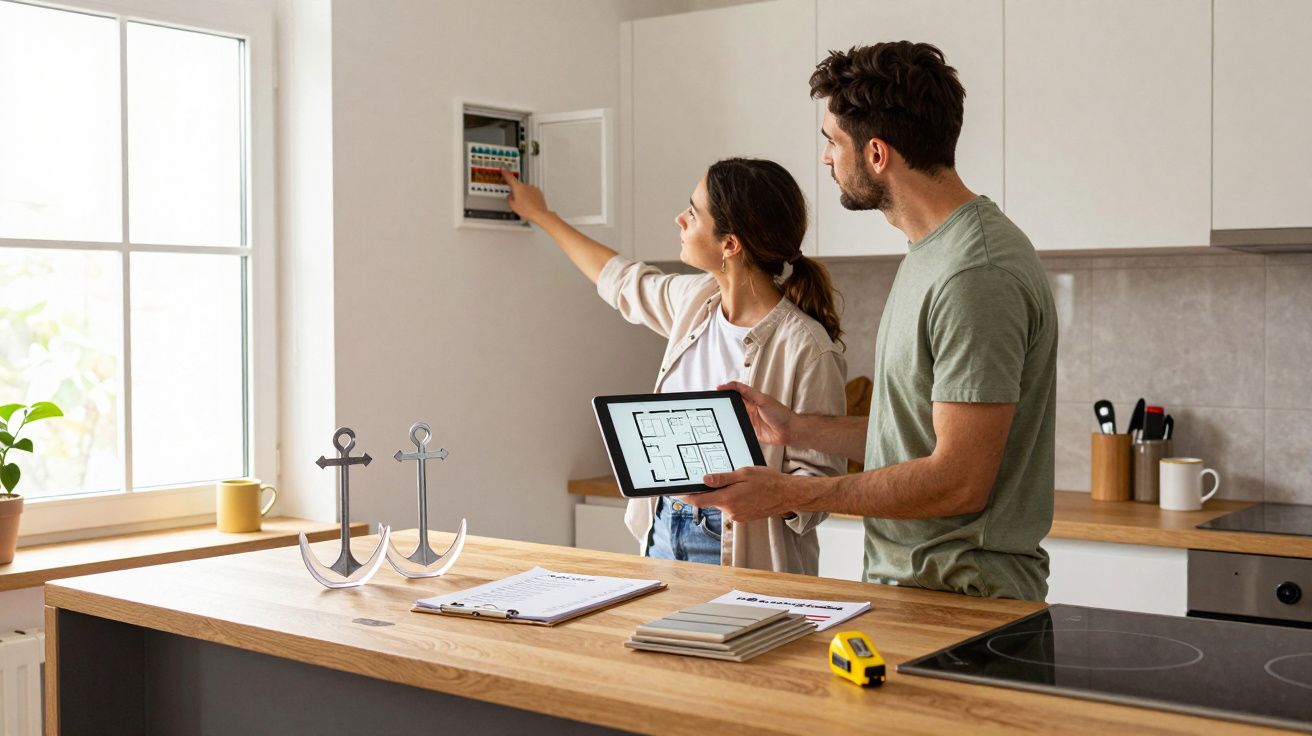
- Survey and constraints: electrics condition, damp, roof, drainage, asbestos checks where relevant.
- Thermal envelope: insulation, draught-proofing, windows/doors decisions (even if you install later).
- Ventilation plan: extract, trickle vents, MVHR where appropriate-stop creating condensation by accident.
- Heating and hot water: boiler, heat pump readiness, cylinder location, emitter sizing.
- Only then finishes: kitchen layout, flooring, tiles, lighting scheme.
If you do it in reverse, you’ll pay twice: once for the nice thing, and again to move it so the house can actually perform.
The 2026 budget reality: treat quotes like risk forecasts
A quote is not just a price. It’s a story about what the contractor thinks you mean, what they assume they’ll find, and how much uncertainty they’re willing to carry. In 2026, uncertainty is expensive, so you want fewer assumptions on paper.
When comparing quotes, look for these three signals:
- Specificity: brand/model where relevant, square metres, allowance amounts, waste removal included or not.
- Programme: start date, duration, and what “delay” means in their terms.
- Exclusions: plaster repairs, making good, decorating, parking permits, skip permits, structural engineer fees.
If the quote is vague, it’s not flexible-it’s fragile. The cheapest number often belongs to the quote with the biggest blank spaces.
Timing in 2026: you’re booking trades, not just buying materials
The biggest planning change isn’t that everything takes forever. It’s that the critical path has moved. Kitchens and bathrooms still have lead times, but so do the people who can fit them well-and the specialists who unlock the job when it gets complicated (structural steel, electricians you trust, heat pump engineers, good plasterers).
Build your schedule around bottlenecks:
- Design decisions (layout, window sizes, kitchen plan) before ordering anything.
- Building Control notifications and inspections where required.
- Long-lead items that gate progress: windows, bespoke joinery, specialist ventilation kit.
- Drying time (plaster, screed) that can’t be bullied by optimism.
A useful rule: if a delay would force you to live without a kitchen or heating, treat that decision as “early-stage engineering”, not a later shopping trip.
Paperwork discipline: the unglamorous lever that can save real money
There’s a reason so many “savings” schemes leave people angry. The benefit is often real, but it’s conditional-on dates, on product specs, on proof that a stranger can verify. In 2026, more households will chase efficiency upgrades, and scrutiny tends to rise when uptake rises.
Make a tiny case file for each upgrade. Not complicated-just consistent:
- Itemised invoice showing exact model numbers and your address
- Product certification / performance documents saved as PDFs
- Photos of labels and installed units before everything gets boxed in
- “Placed in service” date written clearly (when it’s installed and working)
- Any permissions, certificates, and sign-offs filed in one folder
Call it boring. Call it insurance. Either way, it’s cheaper than trying to reconstruct proof six months later from a WhatsApp thread.
The 2026 renovation playbook (tight, realistic, kind to your future self)
If you’re planning home renovations in the next cycle, aim for fewer surprises, not more heroics. The best plans feel slightly over-prepared at the start and strangely calm halfway through.
Here’s the checklist that fits into a Sunday afternoon:
- Write a one-paragraph scope: “what we’re doing, what we’re not doing, and why.”
- Decide your non-negotiables (warmth, storage, accessibility, future-proofing).
- Get one proper survey where the house is likely to bite back.
- Choose products by spec, not by “close enough”.
- Set a contingency you won’t touch for upgrades (only for surprises).
- Keep a running log: decisions, changes, dates, and approvals.
Common pitfalls are still common-changing layouts mid-job, ordering before measuring, assuming someone else is keeping the paperwork. 2026 just makes the consequences sharper.
A quick way to decide: refresh, rework, or future-proof?
Not every house needs a grand plan. But 2026 is a good year to be honest about which category your project sits in, because each one wants a different budget shape and timeline.
| Project type | What it usually involves | Planning focus |
|---|---|---|
| Refresh | Decorating, minor repairs, surface updates | Tight scope, clear finish list |
| Rework | Kitchen/bathroom, layout tweaks, partial rewires | Trade sequencing, lead times |
| Future-proof | Insulation, heating changes, ventilation, windows | Specs, paperwork, staged years |
If you’re future-proofing, think in phases. Doing everything at once can waste money if it blows past caps, seasons, or installer availability. Staging lets you learn from the first phase before you commit to the second.
The point of all this: make 2026 work for you, not against you
A good renovation doesn’t just look better. It behaves better. It’s quieter, warmer, cheaper to run, and less likely to spring a nasty surprise when you’re already stretched. The 2026 outlook nudges you towards that kind of outcome-provided you plan like the friction is real, because it is.
You don’t need to be an expert. You need a sequence, a paper trail, and the confidence to pause a purchase until the details are written down.
FAQ:
- What’s the biggest planning mistake people make going into 2026? Starting work before the scope and specifications are fixed. Vague plans create expensive changes later, especially once trades and lead times are locked in.
- Should I prioritise insulation or heating upgrades first? Usually insulation and draught-proofing first, alongside a ventilation plan. Then size and choose heating based on the improved house, not the leaky one.
- How far ahead should I book trades for a medium renovation? Aim to line up key trades (builder, electrician, plumber/heating engineer) before you order long-lead items. If your project depends on a specialist, book them early and plan around their availability.
- What documents should I keep for efficiency-related upgrades? Itemised invoices with model numbers, certification/performance documents, install dates (“placed in service”), photos, and any approvals/certificates-kept together in one folder.
- Is it worth staging a renovation across different years? Often, yes. Staging reduces disruption, spreads cashflow, and can help you align with changing availability and any benefit caps or scheme deadlines.



Comments (0)
No comments yet. Be the first to comment!
Leave a Comment