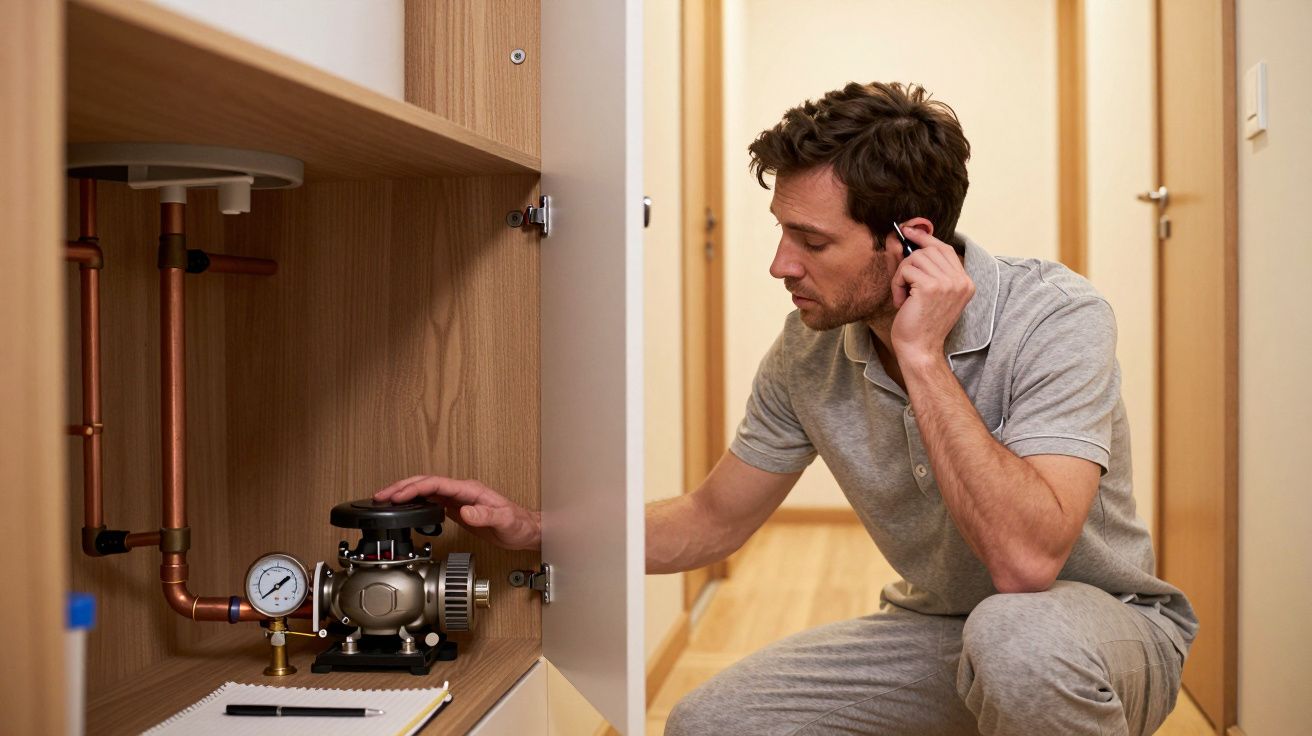
At 2 a.m., the house can sound like it’s thinking. Central heating pumps keep hot water moving through radiators and pipework, and when cavitation starts inside them the noise can mimic a boiler fault-rattling, grinding, a sharp hiss that comes and goes. It matters because the fix is often small and cheap if you catch it early, and expensive if you keep turning the thermostat up and hoping it’ll stop.
People tend to blame the boiler because that’s where the heat “lives” in our heads. But a lot of the drama happens elsewhere: under the airing cupboard floorboard, behind a kitchen kickboard, inside a pump body that’s trying to move water it can’t properly grab.
The sound that travels further than its cause
A boiler makes its own distinctive noises-ignition whoomphs, fan whirs, the tick of expanding metal. Pump noise is different: it often feels like it’s in the walls, and it can get louder in quiet rooms far from the airing cupboard because pipework transmits vibration like a tin-can telephone.
You’ll hear it as a gravelly buzz, a rapid knocking, or a high, fizzy hiss that rises and falls as radiators warm. Then, just as you get your shoes on to call someone, it fades and behaves for hours.
That “comes and goes” quality is a clue. Pumps don’t fail politely; they complain intermittently first, especially when the system is cooling down, refilling, or switching between hot water and heating.
What cavitation is (and why it sounds like stones in a blender)
Cavitation is what happens when pressure drops low enough for tiny vapour bubbles to form in the water inside the pump. Those bubbles collapse when they reach higher-pressure areas, and the collapse is violent on a microscopic scale. Multiply that by thousands per second and you get noise, vibration, and wear.
It’s not the boiler “boiling”. It’s the pump struggling to move water because the conditions around it are wrong-usually not enough pressure, restricted flow, air in the system, or a speed setting that’s too aggressive for what your pipework can deliver.
If you leave it, cavitation can pit the pump’s impeller and housing. That’s when a temporary nuisance turns into a pump replacement.
The quick home checks that often explain the noise
You don’t need to dismantle anything to narrow it down. You’re looking for a pattern: when it happens, what else is happening, and whether the system is short of water or full of air.
Start with three checks that take minutes:
- Look at the boiler pressure gauge (combi and many sealed systems). Cold pressure is commonly around 1.0–1.5 bar; if it’s low, the pump is more likely to cavitate.
- Listen at the likely pump location (often near the hot water cylinder on vented systems, or inside/near the boiler on many combis). A mechanic’s stethoscope is nice, but a screwdriver to the ear works in a pinch.
- Check radiator behaviour: cold tops, gurgling, or frequent need for bleeding can point to air, sludge, or poor circulation.
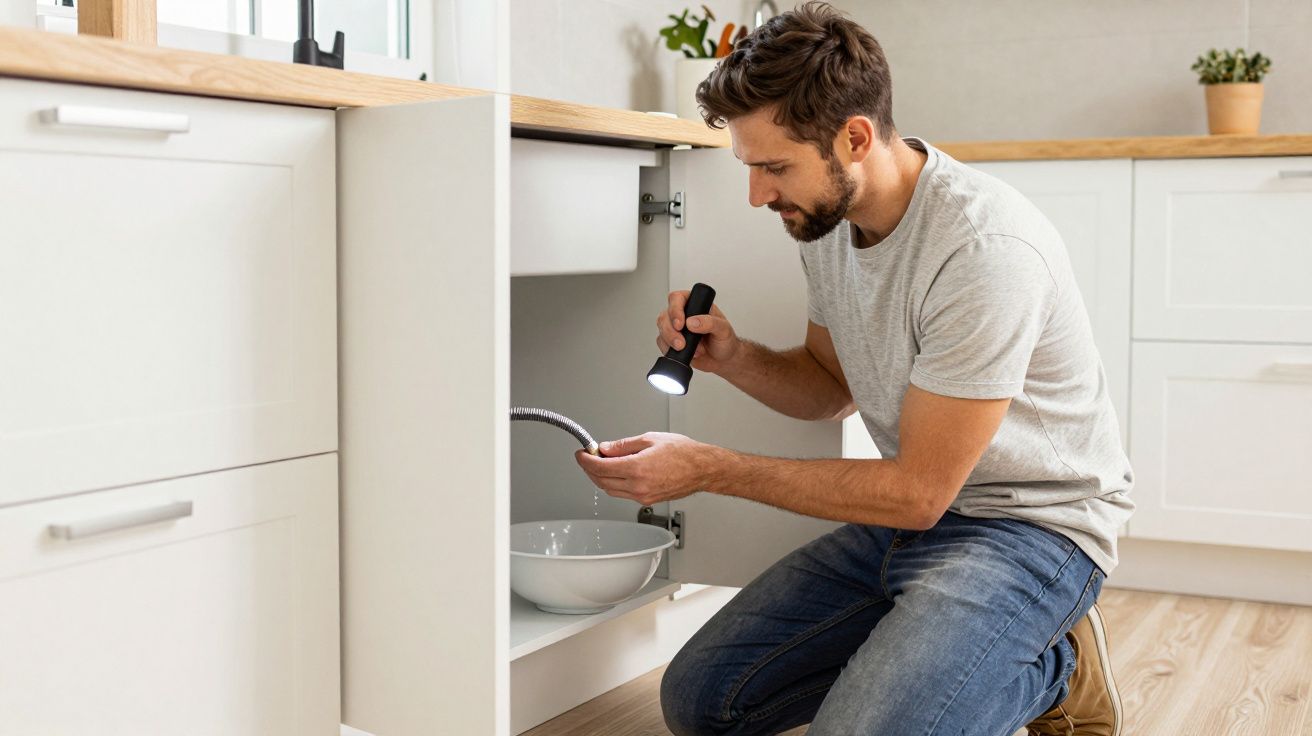
If the gauge is persistently low, topping up via the filling loop may calm the noise-though repeated pressure loss needs a professional look, because “topping up” can become a quiet habit that masks a leak.
The usual suspects (and what each one feels like)
Pump noise rarely arrives alone. It tends to travel with one or two other symptoms that act like signposts.
Low system pressure
On sealed systems, low pressure reduces the pressure at the pump inlet, making bubble formation more likely. You might also notice radiators taking longer to heat, and the boiler cycling oddly because flow rates aren’t stable.
If topping up brings the noise down immediately, you’ve learned something useful. If it drops again within days, you’ve learned something more useful.
Air in the system
Air can collect in high points-upstairs radiators, towel rails, loft pipework-and the pump ends up trying to move froth. That can sound like fizzing or a rattly chatter, particularly when the heating first fires.
Bleeding radiators can help, but only if you do it in a way that doesn’t create the next problem: bleeding lowers pressure on sealed systems, which can make cavitation worse if you don’t top back up properly.
Restricted flow (sludge, stuck valves, blocked filters)
A partially blocked system forces the pump to work harder, and pressure conditions around the impeller can swing into cavitation. You might see:
- some radiators hot, others barely warm
- a pump that’s hot to the touch (not sizzling, but noticeably warm)
- a system that used to be quiet and now has a harsh hum when it runs
On many boilers there’s a magnetic system filter. If it’s never been cleaned, it can quietly turn your pump into a percussion instrument.
Pump speed set too high
Many pumps have speed settings (older pumps have 1/2/3; newer ones have modes). Higher speed isn’t “better”-it can create noise, increase erosion, and cause flow to rush through valves.
If the noise is worst when only a small part of the system is calling for heat (for example, just the hot water cylinder), an overpowered pump setting can be a surprisingly common culprit.
A small “don’t do this” list (that saves big bills)
When heating noises start, people reach for fixes that feel logical but can make the problem harder to diagnose.
- Don’t keep topping up pressure every few days without noting it down. That’s how leaks and failing expansion vessels get ignored.
- Don’t repeatedly bleed radiators on a sealed system if the same ones keep filling with air. Air is getting in somewhere, or hydrogen is being produced by corrosion.
- Don’t crank the thermostat to drown the noise. More demand often means more pump run-time, which means more wear.
If you want to be helpful to future-you (and to any engineer), write down: pressure cold, pressure hot, when the noise happens, and whether it stops when you turn heating off but leave hot water on (or vice versa).
When it’s time to call someone in
Some checks are homeowner-friendly; others are where you stop. If any of the below apply, it’s worth getting an engineer to look at the pump, system condition, and pressure setup:
- pressure drops repeatedly, or the safety relief discharges
- the pump is leaking, seizing, or too hot to keep your hand on
- the noise is accompanied by poor heating performance across multiple rooms
- you suspect sludge (black water when bleeding, frequent cold spots, dirty filter)
Cavitation is a symptom, not a diagnosis. A good fix addresses the cause: stabilising pressure, removing air, cleaning filters, balancing flow, and setting the pump to suit the system rather than bullying it.
The quiet ending you’re aiming for
A healthy heating system has a low, boring soundscape: a gentle whoosh of water, a faint click as pipes expand, and then nothing you can track across the landing. When the noise is coming from the pump, it often feels like the house is restless, like it can’t settle into warmth.
You don’t need to live with that. Most of the time, you’re not dealing with a “new boiler” problem-you’re dealing with a circulation problem that has learned how to shout.
FAQ:
- Is cavitation dangerous? Not usually in the immediate sense, but it can damage the pump over time and reduce heating performance. Treat it as an “early warning” rather than an emergency.
- Can I fix pump cavitation by bleeding radiators? Sometimes, if trapped air is the trigger. On sealed systems, bleeding often needs a follow-up top-up to the correct pressure.
- How do I know it’s the pump and not the boiler? Pump noise often sounds like rattling or fizzing transmitted through pipes and can be louder away from the boiler. If the noise changes with radiator valves or heating zones, that also points to circulation rather than combustion.
- Will a powerflush stop the noise? It can if sludge or restriction is causing poor flow, but it’s not the first step. Start with pressure, air, and filter checks, then get a professional assessment before committing to major work.


Comments (0)
No comments yet. Be the first to comment!
Leave a Comment