
After the handover, when the site cabins disappear and everyone moves on to the next job, aftercare maintenance is the bit that quietly decides whether the project stays a success or becomes a slow drip of defects. It sits alongside long-term support as the practical, boring insurance policy project managers end up relying on, because the building (or system) doesn’t care what the programme said. It only cares what gets checked, logged, fixed, and prevented.
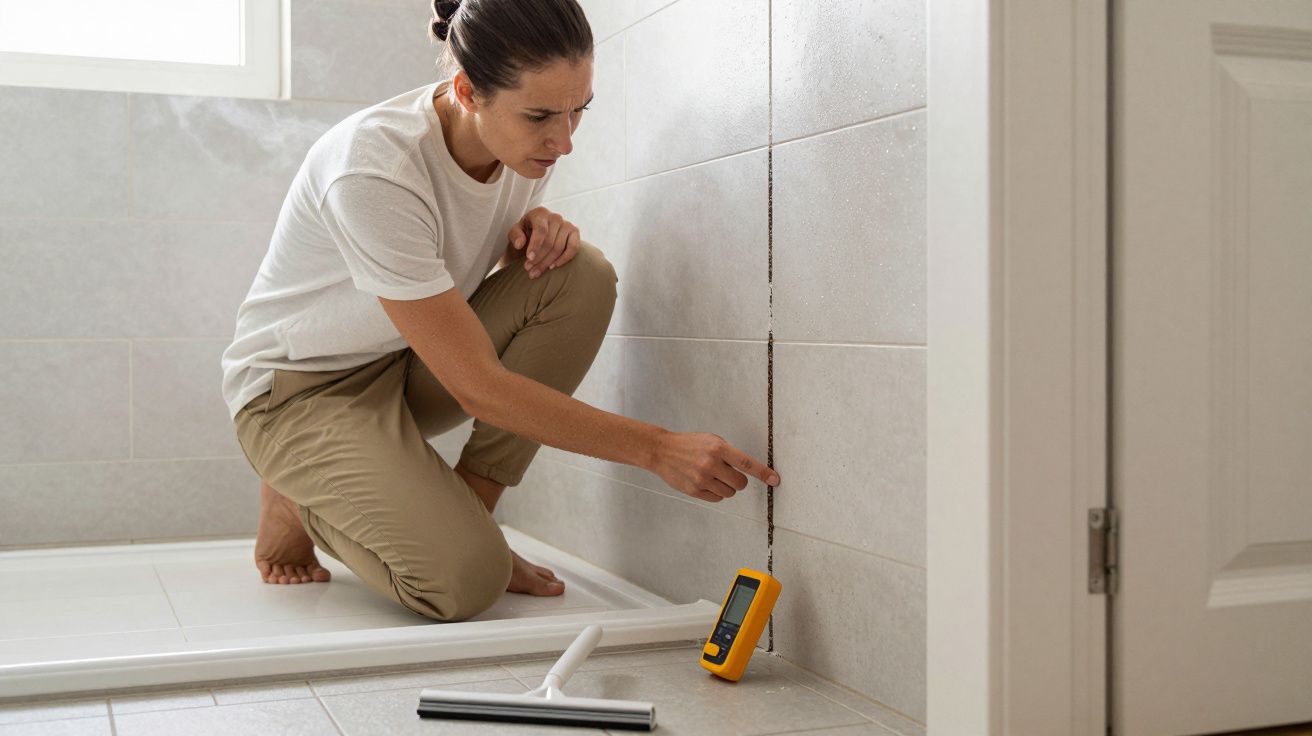
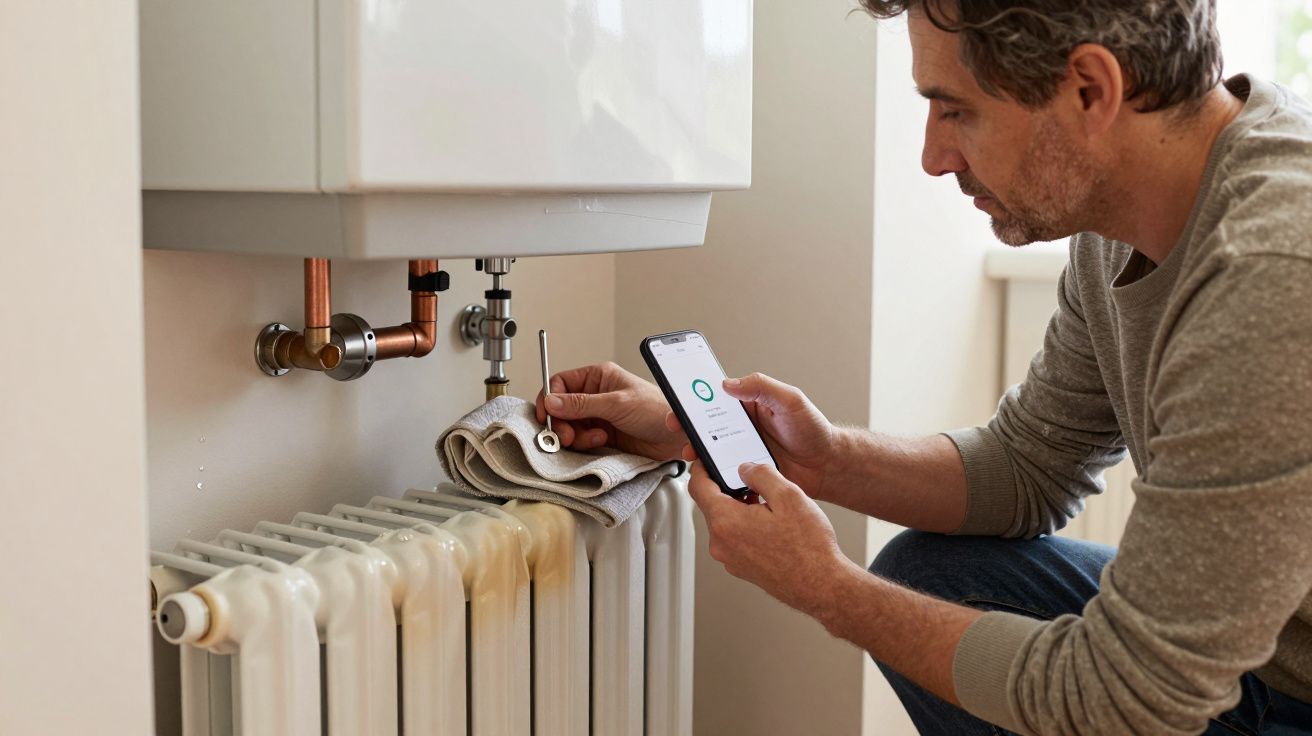
Most problems don’t arrive as a dramatic failure. They arrive as a door closer that slowly slips out of tolerance, a pump that grows louder, a software patch that collides with an old integration, a “minor” leak that becomes tomorrow’s ceiling stain. The maintenance habit project managers trust is the one that catches these things when they’re still small, cheap, and unpolitical.
The tiny mistake that turns handover into a headache
The big mistake isn’t having a snag list. It’s treating handover like an ending.
A lot of teams do the theatre: practical completion, O&M manuals, a training session where everyone nods, a folder of certificates. Then the project file gets closed, the budget is gone, and the client is left to discover-slowly-what “in use” really means. The building starts living its real life, and your perfectly acceptable design choices start meeting human behaviour.
Project managers get burned here because defects don’t respect org charts. They land in inboxes. They become meetings. They become blame. And the difference between “we’ve got this” and “how did this happen?” is usually one unglamorous habit: a scheduled, repetitive aftercare rhythm that stays in place after the excitement fades.
What aftercare maintenance actually protects (that people forget)
Aftercare isn’t just fixing things when they break. It’s protecting the promises you made when you sold the project: performance, safety, comfort, compliance, reputation.
It helps in four places project managers feel pain most:
- Latent defects that only show up under real occupancy or load.
- Wear-and-tear failures that look like “operations issues” until you trace them back to installation, commissioning, or specification.
- Stakeholder confidence, because nothing erodes trust like “we’ll look into it” for the fifth time.
- Budget control, because emergency call-outs and reactive fixes are the most expensive way to “maintain” anything.
People often think the warranty period will save them. Warranties are helpful, but they don’t organise your data, chase subcontractors, or tell you what’s about to fail next month.
The one habit that changes everything
Here it is: keep one live aftercare log, reviewed on a fixed cadence, with named owners and closure evidence.
Not “emails”. Not “it’s with the contractor”. Not “we’ve told maintenance”. One log. One version of truth. Look at it weekly at the start, then fortnightly or monthly once things stabilise. The cadence matters more than the tool.
A good log forces three behaviours that stop aftercare becoming chaos:
- Triage quickly (safety, compliance, business interruption, nuisance).
- Assign clearly (one accountable owner, one deadline).
- Close properly (photo, test result, sign-off, or confirmation from the user).
That’s why project managers trust it. It turns a thousand fuzzy problems into a finite list with a pulse.
Why “we’ll deal with it when it comes up” never works
Because it always comes up. Just not at a convenient time.
Reactive aftercare creates a particular kind of misery: the issue appears, you scramble, someone asks whether it was “known”, and you have no clean timeline. The client remembers every delay. The supply chain remembers every disputed instruction. Nobody remembers the context.
A live log plus a fixed review meeting changes the story. It gives you dates, decisions, and evidence. It also gives you an early warning system: when three similar issues appear across different areas, you stop treating them as “random” and start treating them as a pattern.
Little rituals that actually work in real life
The best aftercare systems are a few small moves done consistently, not a grand framework that collapses under workload.
Make it visible, not perfect
Put the aftercare review where it can’t hide. Ten minutes at the start of a regular meeting beats a separate “aftercare call” everyone skips.
Keep the questions simple:
- What’s new since last review?
- What is overdue, and why?
- What repeats are we seeing?
- What needs escalation this week?
If it’s a built asset, do one short walkabout on the same day each week for the first month of occupancy. If it’s software or a system, do one health check: performance metrics, error logs, and user-reported issues in the same dashboard.
Separate “fix it” from “stop it happening again”
Project teams are good at closing tickets. They’re less good at removing causes.
When something repeats, write the prevention action next to the fix. Examples:
- Recurrent leaks → check installation method, not just sealant.
- Doors out of adjustment → revisit hinges/frames tolerance, not just the latch.
- Frequent user complaints → adjust training and signage, not just configuration.
That’s where aftercare maintenance starts behaving like long-term support rather than a never-ending snag list.
Pre-book the awkward bits
The habit fails when you rely on goodwill and availability.
Before handover, lock in:
- the first two site visits (or remote support sessions),
- who can authorise small spends quickly,
- who holds spares, access permissions, admin accounts,
- how out-of-hours issues are handled.
If those decisions wait until the first failure, you’ve already lost a week.
A simple model project managers can run without heroics
You don’t need a new department. You need a small structure that survives busy weeks.
- Week 1–4: weekly review + fast triage + pattern spotting.
- Month 2–3: fortnightly review + preventative actions start landing.
- Month 4 onward: monthly review + service-level reporting + scheduled inspections.
If you want it even leaner, use this rule: any issue that touches safety, compliance, or business interruption gets a response plan within 24 hours, even if the fix is later. That single boundary keeps aftercare from turning into reputational damage.
When “good enough” is genuinely good enough
There’s a trap here: trying to be perfect, documenting every squeak until the process becomes heavier than the asset itself. The goal isn’t an immaculate log. The goal is a predictable service experience that makes stakeholders feel looked after.
Aftercare maintenance is not about clinging to the project forever. It’s about exiting properly-leaving behind a stable asset and a clear path for long-term support to take over without drama.
The next time you’re closing a project
Picture the moment: the final account is being negotiated, someone asks whether you can “just keep an eye on things”, and you’re tempted to say yes without defining what that means. That’s where the habit starts.
Set the cadence. Create the one live log. Name the owners. Require closure evidence. Keep it going until the noise dies down and the patterns are handled.
No one applauds a quiet aftercare period. But it’s the thing project managers remember when the next handover comes around and they decide, almost automatically: we’re doing it properly this time.




Comments (0)
No comments yet. Be the first to comment!
Leave a Comment