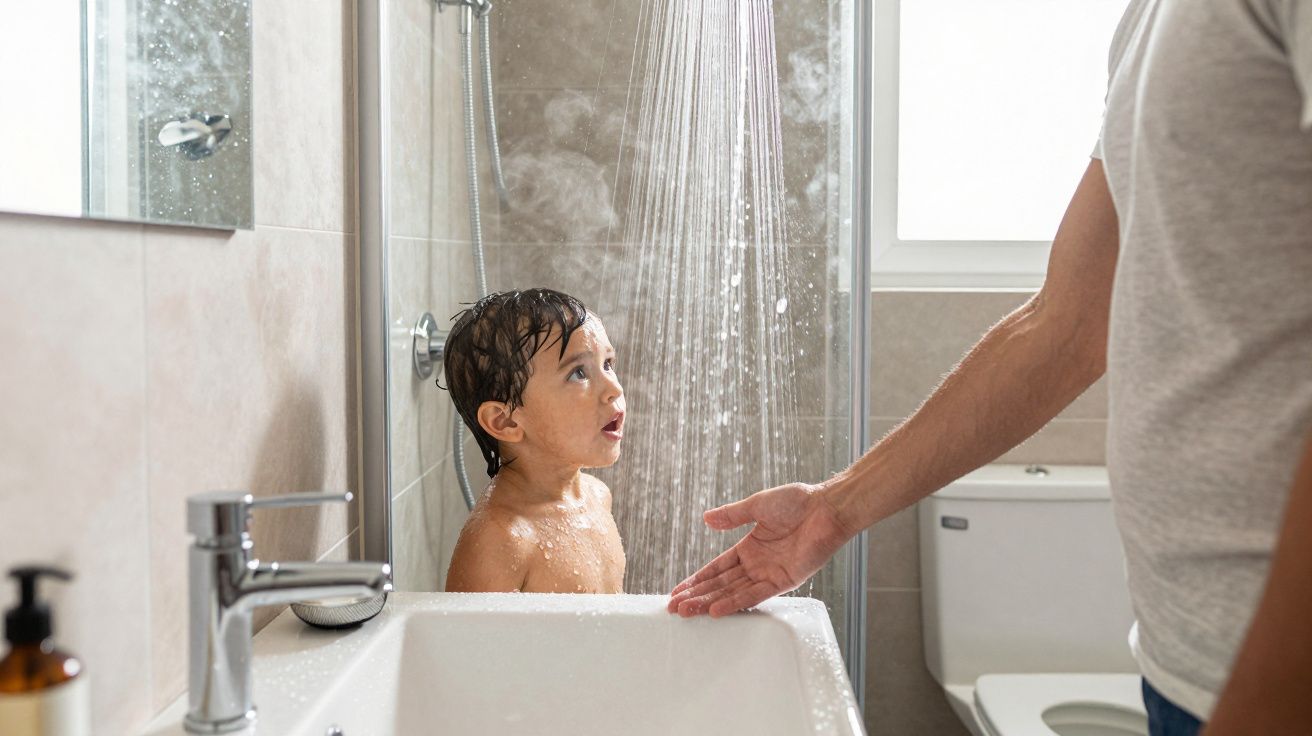
The new shower systems we bolt into family bathrooms-digital mixers, rainfall heads, “spa” valves-promise calm mornings and hotel-level comfort. But add temperature instability into the mix and you get a different kind of upgrade: one that can turn an ordinary rinse into a sudden shock, especially for children, older adults, and anyone with slower reactions. It matters because scalds happen fast, and bathrooms are where people are least braced to react.
It usually starts innocently. A renovation, a new combi boiler, a smart control with a glossy screen, and a shower that feels brilliant on day one. Then someone flushes a toilet, the kitchen tap runs, and the water does that tiny, nasty lurch from warm to sharp-just long enough to make you stumble.
You can almost hear the story in the way neighbours tell it: “We only changed the shower.” The rest is a slipped foot, a yelp, a panicked call.
The upgrade that looks safer than it is
Modern-looking doesn’t always mean safer. Many newer shower setups are more complex than the old “two taps and a hope” arrangement, and complexity has a habit of hiding weak points until a household is under real pressure: morning queues, heating cycling, kids hopping in and out, someone doing the washing up at the same time.
Temperature instability is the quiet villain because it doesn’t need to be dramatic to cause harm. A brief spike can scald skin; a brief drop can make someone jerk back and lose balance. Both can end in falls, and falls in a wet room are how you go from annoyance to A&E.
A lot of the risk sits in the gap between what you installed and what your plumbing can actually support. High-flow heads demand more hot water. Combi boilers can hunt for temperature at low flow. Pressure changes travel through pipework like gossip.
What actually causes the lurch
Most households assume the shower is a sealed little world. It isn’t. Your shower shares supply with everything else, and a “better” shower can be more sensitive to the whole system’s mood swings.
Common triggers include:
- Pressure imbalances: someone opens a cold tap and the hot/cold ratio shifts at the shower.
- Boiler behaviour: some combi boilers overshoot or undershoot when flow rates change quickly.
- Blocked filters and scaled cartridges: reduced flow makes thermostatic elements respond badly or too slowly.
- Long pipe runs: more pipe means more lag; you wait for heat, then suddenly get it.
- Overpowered shower heads: a big head looks luxurious but can starve the mixer or force the boiler into a cycle.
If your shower goes briefly freezing when the toilet is flushed, you’ve basically been given the diagnostic on a plate. If it goes briefly hotter, that’s the one people remember-because it hurts.
The scald-and-slip combo nobody budgets for
Scald risk gets the headlines, but falls are often the second half of the same incident. Hot shock makes you move fast. Cold shock makes you move fast. Wet tiles don’t care which one started it.
Children are at particular risk because their skin burns quicker and they don’t always adjust the controls safely. Older adults are at risk because balance is less forgiving and reaction time can be slower. Even healthy adults get caught out when the change is sudden and their eyes are closed under the water.
And here’s the annoying truth: a shower can be “mostly fine” for months and still be unsafe. It only has to misbehave once, at the wrong moment.
“It was perfect until the morning it wasn’t,” is the line you hear after, not before.
What to check before you blame the boiler (or your luck)
You don’t need to become a plumber to reduce risk, but you do need to stop treating temperature swings as a personality trait of the house. They’re usually fixable.
Start with these practical checks:
- Is the shower valve actually thermostatic? Not all sleek controls are. Some are just mixers with a fancy trim.
- Is the hot water source suitable? A combi boiler, unvented cylinder, and gravity-fed system behave very differently.
- Are the inlet filters clean? Many valves have small mesh filters that clog with debris after works.
- Has anything changed recently? New appliances, a replaced stopcock, altered pipework, even a new washing machine valve can shift pressures.
- Is the head too high-flow? If your system struggles, a slightly lower-flow head can increase stability.
If you’re in a rented property, don’t “make do”. Report it. If you own, don’t keep tweaking the temperature dial like it’s going to learn manners.
The fixes that reduce emergency-call potential
The safest route is boring, and boring is what you want in a bathroom.
- Fit a quality thermostatic mixing valve (TMV) where appropriate, especially for households with children or vulnerable adults. It’s designed to limit temperature spikes.
- Set (and test) a maximum temperature stop on the shower valve if it has one. Many people never configure it.
- Balance pressures: sometimes that means a pressure-reducing valve, sometimes it means correcting how supplies are fed.
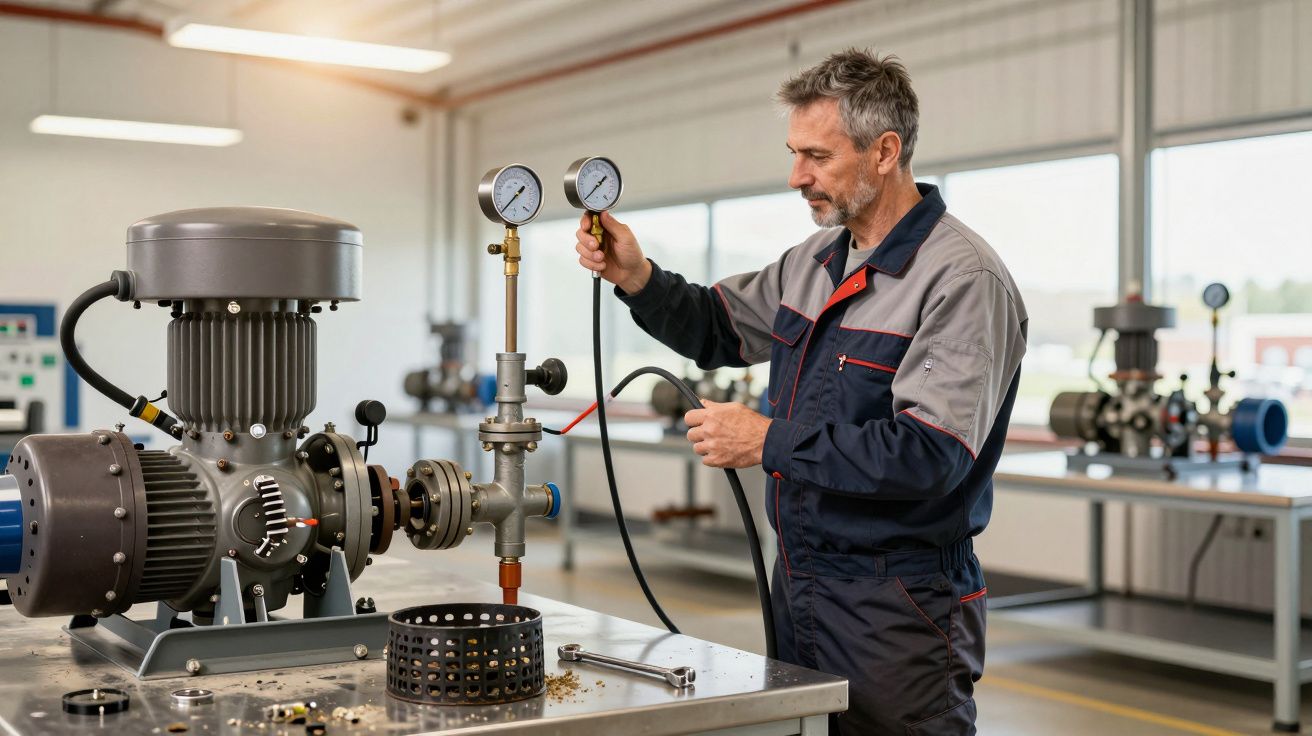
- Service or descale the cartridge: a sticky thermostatic element can lag behind changes, which is when spikes happen.
- Consider an anti-scald device or whole-house mixing at the cylinder (where suitable), particularly if multiple outlets trigger swings.
If you’ve upgraded to a digital shower controller, check whether it’s controlling a stable mixer or just moving the problem behind a screen. Technology can improve consistency-but only if the underlying hydraulics are sound.
A quick reality-check you can do this week
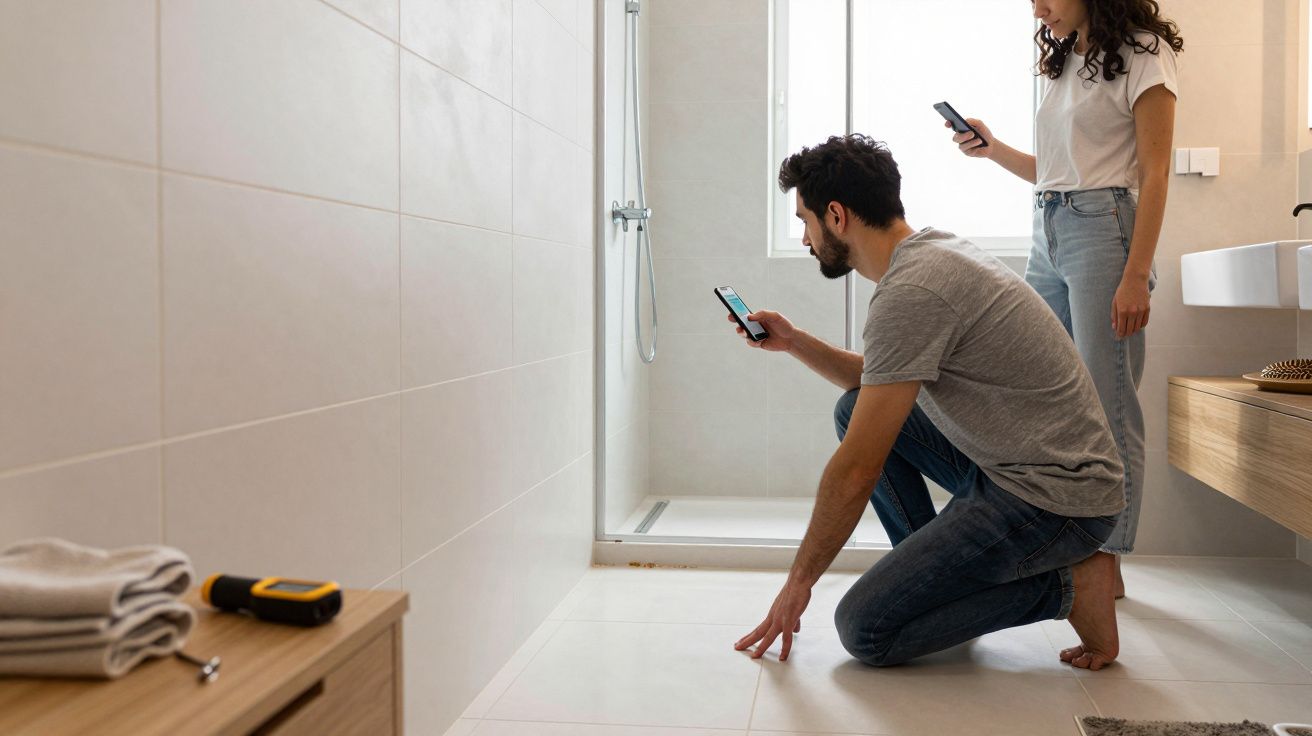
Pick a calm moment, not the school-run rush. Run the shower at your usual setting and do a simple “household interference” test: flush the toilet, run the cold tap in the basin, then the kitchen. Watch and feel for changes over 30–60 seconds.
If the temperature moves noticeably, treat it as a safety issue, not an inconvenience. Let’s be honest: nobody really wants to book another tradesperson after a renovation. But the alternative is betting against physics in a slippery room.
| Point clé | What to look for | Why it matters |
|---|---|---|
| Temperature swings | Hot/cold lurch when other taps run | Scald/shock leads to falls |
| System mismatch | High-flow head + combi hunting | Instability under normal use |
| Simple safeguards | Thermostatic valve + max stop set | Limits spikes without daily effort |
FAQ:
- Is temperature instability always a boiler fault? No. It can be caused by pressure changes, scaled filters, a sticky valve cartridge, or a shower head that pushes the system outside its stable range.
- Do thermostatic shower valves guarantee no scalding? They greatly reduce risk, but only if correctly installed, maintained, and set with a maximum temperature stop. A neglected cartridge can still respond slowly.
- Why does it happen mostly in the morning? More simultaneous water use (toilets, taps, washing up) creates bigger pressure shifts, and boilers may be cycling as demand jumps around.
- What’s the quickest “no-renovation” improvement? Clean inlet filters, service the valve cartridge, and consider a slightly lower-flow shower head to stabilise the boiler/valve response.
- When should I call a professional urgently? If the shower can suddenly run very hot, if children or vulnerable adults use it, or if temperature swings are large enough to make you flinch or step back.


Comments (0)
No comments yet. Be the first to comment!
Leave a Comment