
The first time I lived with heat pumps, I realised my comfort expectations were the real thing being tested, not the kit on the wall. They’re sold as a clean swap for a boiler - quiet warmth, lower bills, a home that “just feels nice” - and for plenty of UK houses they can deliver exactly that. But they don’t behave like a gas system, and if you expect that same quick blast of heat on demand, you can end up disappointed, chilly, or fiddling with settings at 11pm.
You don’t need to become an engineer to get on with one. You do need to know what they’re good at, what they’re bad at, and what kind of house lets them shine without drama.
The comfort promise (and the bit nobody puts on the brochure)
A heat pump doesn’t “make heat” the way a boiler does. It moves it - pulling low-grade warmth from outside air or the ground and upgrading it into usable heat for radiators or underfloor. That’s why it can be efficient, even when it’s cold, and why it likes steady work more than sudden sprints.
Most marketing shows cosy socks, a calm thermostat, and a house that never shivers. That can be true. The catch is that comfort with a heat pump is often even and gentle, not “radiator scorching your jeans in ten minutes”.
If you walk into a cold room and want it to go from 16°C to 21°C quickly, you’re asking for the very thing heat pumps are worst at: rapid, high-temperature bursts. They can do it sometimes, but usually with more noise, more electricity, and less satisfaction.
Why heat pump comfort feels different to boiler comfort
Boilers are sprinters. They chuck very hot water into radiators (often 65–75°C flow temps), rooms warm fast, and you get that familiar “on/off” rhythm. Heat pumps are marathon runners: happiest sending lower-temperature water (often 35–50°C) for longer, keeping the house stable rather than spiky.
That shift changes the feel of warmth. Radiators may be warm rather than hot. Underfloor heating feels like the room is calm, not like heat is blasting from one corner. People read that as “it’s not working” when it’s actually working as designed.
A friend in Leeds described it perfectly: “The house is comfortable, but the radiators feel like they’re on a tea break.” Her mistake wasn’t the system - it was expecting the old signals of heat.
The reality check list: what decides whether you’ll feel cosy or cross
There are a few boring factors that run the show. Miss one, and you can still heat the house, but it might feel expensive, sluggish, or patchy.
- Insulation and draughts: Heat pumps can’t win a fight with leaky lofts, suspended floors, and chimneys that inhale. They’ll run longer to replace what your house is throwing away.
- Emitter size: Smaller radiators designed for boiler-hot water may not give enough heat at lower temperatures. Sometimes you need bigger rads, more panels, or fan-assisted units.
- Flow temperature: Higher flow temps = less efficiency and sometimes more noise. Lower flow temps = better efficiency but needs the right radiators and a well-sealed home.
- Controls and habits: “Off all day, on for two hours” works with gas. With heat pumps it often means you pay for catch-up heat - and still don’t feel properly warm.
- Hot water expectations: If you love a huge, piping-hot bath at short notice, you’ll need a cylinder sized for real life, not a brochure household.
None of this is tragic. It’s just different. Comfort is absolutely achievable, but it’s built, not wished into existence.
The most common comfort mismatch: the thermostat dance
People get a heat pump, feel it’s slow, and start nudging the thermostat up and down like it’s a volume dial. That’s when the house starts feeling weird: warm at 2am, cool at breakfast, and expensive for no clear reason.
The better approach is boring but powerful: pick a temperature you actually like and let the system hold it. Many homes do well with a steady setpoint and small day/night adjustments, rather than big swings.
If you want a simple mental model, try this: you’re not “turning the heating on”. You’re setting the house’s baseline.
A small trick that helps expectations: touch the wall, not the radiator. Heat pumps aim for a stable room, not a dramatic heat source.
Noise, airflow, and the “is it meant to do that?” moments
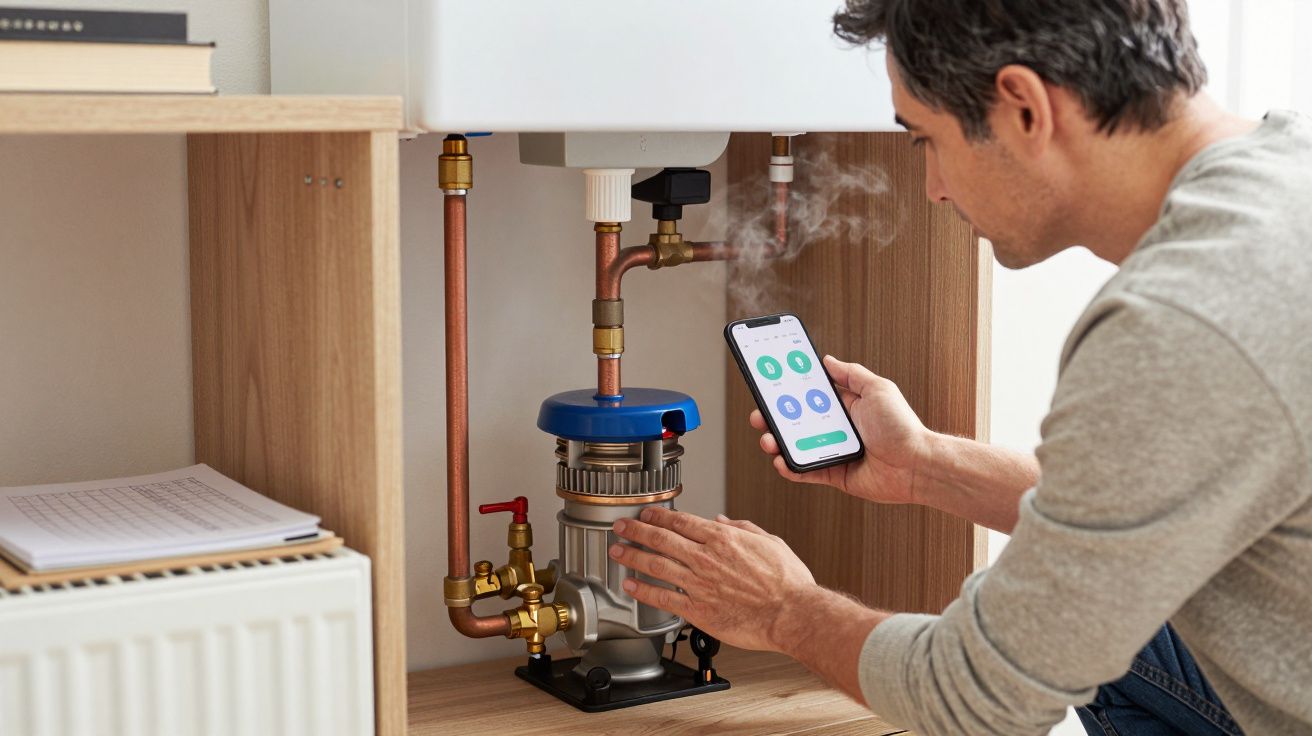
Outdoor units aren’t silent. They hum, fans spin up, and on damp cold days you’ll see steam during defrost cycles. That plume can look alarming the first time, like your garden has acquired a kettle. It’s normal.
Inside, you might hear a low whirr from pumps or the cylinder area. You shouldn’t hear whining, rattling, or banging - those usually point to poor mounting, pipework that can expand noisily, or flow issues. Comfort includes sound comfort, and a good installer treats that as part of the job.
Placement matters more than people expect. A unit tucked under a bedroom window can turn “green upgrade” into “why is my wall vibrating at midnight?”
What “good” comfort actually looks like with a heat pump
When it’s right, it feels slightly unremarkable - which is the compliment. Rooms sit at a steady temperature. No roasting afternoons, no cold corners that creep in after sunset. The air can feel less dried-out than with high-temp radiators, especially if you’re not constantly blasting and cooling.
It also changes behaviour in small ways. You stop waiting for the heating to “kick in”. You stop hovering over the programmer. You just… live in the temperature you set.
One homeowner in Bristol told me the biggest surprise was psychological: “I thought I’d miss the hot radiators. Turns out I only liked them because the house used to be cold.”
A practical mini-plan to meet your comfort expectations (without obsessing)
If you’ve already got a heat pump and comfort feels off, start here before you blame the technology.
- Check your schedule: Try steady heating for a week with modest setbacks (e.g., 20°C day, 18–19°C night).
- Ask for your flow temperature: Lower is generally better if the house stays warm. If it’s high, find out why.
- Bleed radiators and check balancing: Cold spots and noisy pipes often mean the system isn’t balanced.
- Look for the draught culprits: Loft hatch, letterbox, open chimneys, single-glazed gaps. Cheap fixes can transform “slow heat”.
- Review radiator sizing: If one room never catches up, it may simply not have enough emitter capacity at heat-pump temps.
If you’re still at the “thinking of installing” stage, your best comfort move is to treat the survey like a comfort audit, not a box-tick. Ask what temperatures they’re designing for, how they’ll hit them, and what happens in a cold snap.
| Reality point | What it means | Comfort impact |
|---|---|---|
| Heat pumps prefer steady running | Less “boost”, more background heat | Fewer temperature swings, slower warm-up |
| Low flow temps need the right emitters | Radiators/UFH must match the design | Warm rooms, not necessarily hot radiators |
| House fabric matters | Insulation + airtightness reduce losses | Cosier feel, lower running cost |
FAQ:
- Will a heat pump keep my house warm in a UK winter? Yes, if it’s properly designed for your heat loss and your emitters/insulation match the lower-temperature approach. Most comfort complaints are design or control issues, not “heat pumps don’t work”.
- Why are my radiators only lukewarm? Heat pumps often run lower flow temperatures than boilers, so radiators feel warm rather than hot. The room temperature is the real test, not the radiator surface.
- Should I turn it off when I’m out? Often no. Many homes are more comfortable (and sometimes cheaper) with a steady setpoint and small setbacks, rather than large on/off swings.
- What’s that steam cloud from the outdoor unit? Usually a normal defrost cycle on cold, damp days. It can look dramatic, but it’s part of keeping the unit working efficiently.
- Do I need underfloor heating for a heat pump? Not necessarily. Plenty of homes run heat pumps with radiators, but they may need larger or upgraded radiators to deliver enough heat at lower temperatures.




Comments (0)
No comments yet. Be the first to comment!
Leave a Comment